
 -by
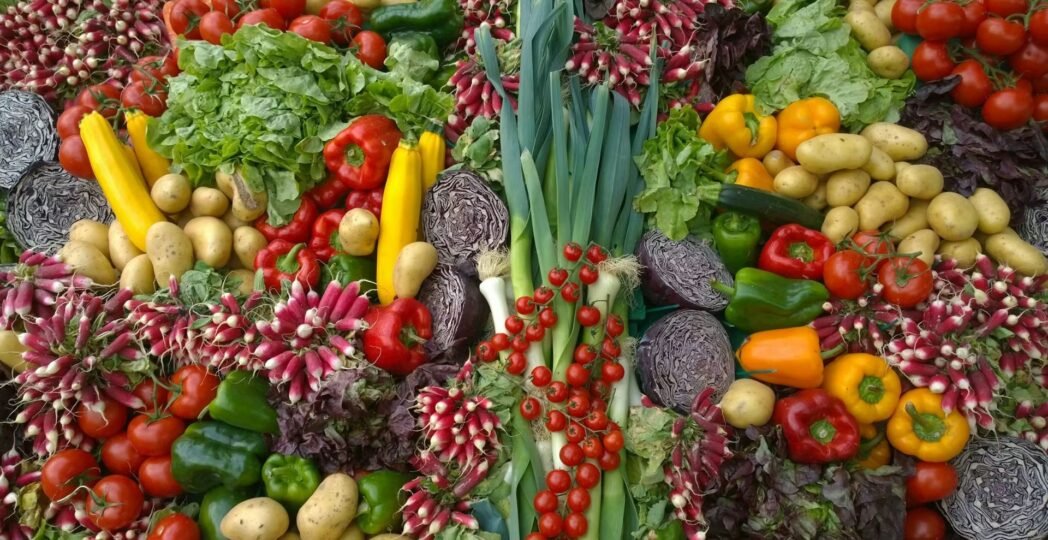
-by A well-organized vegan food list can be a game-changer for anyone exploring plant-based living. Whether you’re fully committed to vegan eating, making a transition, or simply adding more meatless meals to your week, a clear list makes grocery shopping, meal planning, and cooking easier and more intentional. Vegan food focuses entirely on plants—no meat, dairy, eggs, honey, or other animal byproducts.
With today’s wide availability of fresh produce, grains, legumes, and delicious plant-based alternatives, eating vegan is more accessible and enjoyable than ever. A thoughtful vegan food list does more than tell you what to buy—it helps you build balanced, nutrient-rich meals that keep you satisfied and energized. From fresh fruits and vegetables to protein-packed legumes, hearty grains, creamy dairy alternatives, and flavorful seasonings, vegan eating is diverse, colorful, and full of possibility.
This guide breaks down vegan food into practical categories, giving you a reliable grocery blueprint for everyday cooking, meal prep, and plant-based discovery.
What Is Vegan Food?

Vegan food includes any food that comes from plants and excludes all animal ingredients and byproducts. That means no meat, poultry, fish, dairy, eggs, or honey. Instead, a vegan diet focuses on:
- Fruits and vegetables
- Whole grains and legumes
- Nuts, seeds, and plant-based oils
- Tofu, tempeh, and other meat alternatives
- Plant milks, yogurts, cheeses, and other dairy replacements
When planned with variety in mind, vegan eating provides all the nutrients needed for a healthy, active lifestyle.
Why Use a Vegan Food List?

A vegan food list brings clarity and confidence to grocery trips and meal planning. It helps you:
- Shop faster by knowing what to look for
- Avoid hidden animal ingredients in packaged foods
- Eat a balanced mix of proteins, carbs, and healthy fats
- Reduce food waste by buying what you’ll actually use
- Try new ingredients and keep meals interesting
Whether you’re new to plant-based eating or a seasoned vegan, a solid food list makes everyday eating simpler and more satisfying.
Love combining travel with great food? Visit beachnear.net to find the best beaches and nearby restaurants for an unforgettable coastal experience.
Your Complete Vegan Food List
Here’s your ultimate guide to vegan food, organized by category. Keep this list handy when you plan meals or go shopping.
01. Fruits: Nature’s Sweet Snacks

Fruits are the easiest vegan food. They’re naturally sweet, packed with vitamins, and ready to eat. Most fruits need no preparation beyond washing.
Fresh fruits to always have on hand:
- Apples and bananas (great for quick snacks)
- Oranges and grapefruits (full of vitamin C)
- Berries: strawberries, blueberries, raspberries
- Grapes and cherries (perfect for munching)
- Melons: watermelon, cantaloupe, honeydew
- Tropical fruits: pineapple, mango, kiwi
Frozen fruits for convenience:
- Frozen berries for smoothies and oatmeal
- Frozen mango and peach slices
- Mixed fruit blends
Dried fruits for snacks and cooking:
- Raisins and dried cranberries
- Dates and figs
- Dried apricots and apples
Simple ways to use fruits:
- Add berries to your morning cereal
- Pack an apple or banana for an afternoon snack
- Blend frozen fruit into a quick smoothie
- Top oatmeal with sliced peaches or berries
- Make a simple fruit salad for dessert
Fruits are naturally vegan, naturally sweet, and naturally good for you. Aim to eat at least two servings each day.
02. Vegetables: The Foundation of Healthy Meals

Vegetables should fill half your plate at every meal. They’re low in calories but packed with nutrients. Eating a variety of colors ensures you get different vitamins and minerals.
Leafy greens (eat daily):
- Spinach (add to smoothies or salads)
- Kale (try it baked into chips)
- Lettuce (for sandwiches and salads)
- Swiss chard and collard greens
Cruciferous vegetables (great for roasting):
- Broccoli and cauliflower
- Brussels sprouts
- Cabbage (green and red)
Root vegetables (filling and hearty):
- Potatoes and sweet potatoes
- Carrots and parsnips
- Beets and turnips
Other everyday vegetables:
- Bell peppers (all colors)
- Tomatoes (fresh and canned)
- Onions and garlic (for flavor)
- Cucumbers and zucchini
- Mushrooms (meaty texture)
- Corn (fresh, frozen, or canned)
Simple vegetable cooking methods:
- Roasting: Toss with olive oil and bake until tender
- Steaming: Quick and preserves nutrients
- Sautéing: Cook in a pan with a little oil
- Raw: In salads or as crunchy snacks
Smart shopping tip: Frozen vegetables are just as nutritious as fresh. They’re often cheaper and save prep time. Keep frozen peas, corn, broccoli, and mixed vegetables in your freezer.
03. Legumes: Your Protein Powerhouses

Legumes include beans, lentils, and peas. They’re among the most important foods in a vegan diet. They provide protein, fiber, and iron. They’re also very affordable.
Beans (keep canned and dried versions):
- Black beans (for tacos and soups)
- Kidney beans (for chili and salads)
- Chickpeas (for hummus and roasting)
- Pinto beans (for burritos and Mexican dishes)
- White beans (for soups and pasta)
Lentils (cook quickly, no soaking needed):
- Brown and green lentils (hold their shape)
- Red lentils (become soft, great for soups)
- French lentils (small and firm)
Other legumes:
- Split peas (for hearty soup)
- Black-eyed peas
- Edamame (young soybeans, great snack)
Simple ways to use legumes:
- Add canned beans to salads
- Make lentil soup or chili
- Blend chickpeas into hummus
- Use refried beans in burritos
- Add lentils to pasta sauce
Time-saving tip: Canned beans are ready to use. Just rinse them to remove excess sodium. Dried beans are cheaper but need soaking and cooking.
04. Soy Foods: Versatile and Protein-Rich

Soy foods are complete proteins, meaning they contain all essential amino acids. They’re also very versatile in cooking.
Tofu (comes in different textures):
- Silken tofu: for smoothies, dressings, and desserts
- Soft tofu: for soups and scrambles
- Firm and extra-firm: for stir-fries, baking, and grilling
How to prepare tofu: Press firm tofu to remove water. Marinate it for flavor. Then bake, fry, or grill it.
Tempeh: Fermented soybeans pressed into a cake. Has a nutty flavor and firm texture. Slice and pan-fry or crumble into dishes.
Edamame: Young green soybeans. Buy them shelled or in pods. Great as a snack or added to salads and bowls.
Soy milk: The most protein-rich plant milk. Use it in cereal, coffee, and baking.
Simple soy meal ideas:
- Tofu scramble for breakfast (like scrambled eggs)
- Baked tofu cubes in a stir-fry
- Marinated tempeh in a sandwich
- Edamame sprinkled with sea salt as a snack
05. Whole Grains: Energy for Your Day

Grains provide carbohydrates for energy. Whole grains have more fiber and nutrients than refined grains.
Cooking grains:
- Rice: brown rice, white rice, wild rice
- Quinoa: cooks quickly, high in protein
- Oats: for breakfast oatmeal and baking
- Barley and farro: chewy texture for soups and salads
Bread and pasta:
- Whole wheat bread (check for honey or dairy)
- Whole grain pasta (most dry pasta is vegan)
- Tortillas and wraps (corn tortillas are usually vegan)
Breakfast grains:
- Oatmeal (rolled or quick oats)
- Cereal (check labels for vitamin D3 from animals)
- Cream of wheat or grits
Simple grain meals:
- Rice and beans (a complete protein combo)
- Pasta with marinara sauce and vegetables
- Oatmeal with fruit and nuts for breakfast
- Quinoa salad with vegetables
Storage tip: Store whole grains in airtight containers. They’ll last for months in your pantry.
06. Nuts and Seeds: Healthy Fats and Crunch

Nuts and seeds add texture, flavor, and nutrition to meals. They provide healthy fats, protein, and important minerals.
Nuts (raw or roasted, unsalted):
- Almonds and walnuts
- Cashews and peanuts
- Pecans and pistachios
Seeds (small but nutritious):
- Chia seeds (expand in liquid)
- Flax seeds (grind for best absorption)
- Hemp seeds (soft, no grinding needed)
- Pumpkin and sunflower seeds
Nut and seed butters:
- Peanut butter (check for added sugar)
- Almond butter and cashew butter
- Tahini (sesame seed paste, for dressings)
Simple ways to use nuts and seeds:
- Sprinkle on oatmeal or yogurt
- Add to salads for crunch
- Blend into smoothies
- Make homemade trail mix
- Use nut butters on toast or in sauces
Allergy note: If you’re allergic to nuts, seeds are a great alternative. Sunflower seed butter tastes similar to peanut butter.
07. Plant-Based Dairy Alternatives

Dairy alternatives have improved dramatically in recent years. You can find vegan versions of almost every dairy product.
Plant milks (many options available):
- Soy milk (highest in protein)
- Almond milk (light flavor)
- Oat milk (creamy, good for coffee)
- Coconut milk (rich, good for cooking)
- Cashew milk (naturally creamy)
Tip: Choose unsweetened versions to control sugar. Look for milks fortified with calcium and vitamin D.
Vegan yogurts:
- Coconut milk yogurt
- Almond milk yogurt
- Soy milk yogurt
Vegan cheeses (quality varies by brand):
- Shredded cheese for pizzas and tacos
- Sliced cheese for sandwiches
- Cream cheese for bagels
- Parmesan alternatives for pasta
Other dairy alternatives:
- Vegan butter for cooking and spreading
- Vegan sour cream and mayonnaise
- Non-dairy ice cream and whipped cream
Taste test tip: Try different brands to find your favorites. Some melt better, while others taste better cold.
08. Healthy Fats and Oils

Your body needs healthy fats. They help absorb vitamins and keep you satisfied.
Cooking oils:
- Olive oil (for dressings and low-heat cooking)
- Avocado oil (high-heat cooking)
- Coconut oil (baking and sautéing)
Other sources of healthy fats:
- Avocados (slice on toast or in salads)
- Olives
- Vegan mayonnaise
Simple fat uses:
- Drizzle olive oil on roasted vegetables
- Mash avocado on toast
- Use coconut oil in baking
- Add olives to salads and pasta
Storage: Store nuts and oils in a cool, dark place to prevent rancidity.
09. Herbs, Spices, and Seasonings

Flavor transforms simple ingredients into delicious meals. Build a collection of basic seasonings.
Fresh herbs (add at the end of cooking):
- Basil, cilantro, parsley
- Rosemary, thyme, dill
Dried spices (keep for months):
- Garlic powder and onion powder
- Cumin and chili powder
- Paprika and turmeric
- Black pepper and sea salt
Condiments and sauces:
- Soy sauce or tamari (gluten-free option)
- Mustard (yellow, Dijon, or whole grain)
- Hot sauce and salsa
- Vinegar (balsamic, apple cider, red wine)
- Barbecue sauce (check for honey)
Flavor boosters:
- Nutritional yeast (cheesy flavor, B vitamins)
- Miso paste (salty, savory)
- Vegetable broth (instead of water for cooking grains)
- Lemon and lime juice (brightens dishes)
Simple seasoning blends:
- Italian: basil, oregano, garlic
- Mexican: cumin, chili powder, paprika
- Asian: ginger, garlic, soy sauce
10. Convenience Foods for Busy Days

While whole foods are best, convenience foods help on busy days. Read labels carefully.
Frozen prepared foods:
- Veggie burgers and meatless balls
- Vegan pizza and burritos
- Frozen vegetable blends
Snacks:
- Crackers and pretzels (check ingredients)
- Popcorn (air-popped or store-bought)
- Granola bars and fruit snacks
Sweet treats:
- Dark chocolate (check for milk)
- Vegan cookies and cakes
- Non-dairy ice cream
Label reading tip: Look for “certified vegan” logos. Watch for hidden animal ingredients like whey, casein, or gelatin.
Foods to Avoid: A Quick Checklist
Some foods look vegan but aren’t. Here’s what to watch for:
Clearly not vegan:
- All meats, poultry, and fish
- Milk, cheese, yogurt, butter
- Eggs and mayonnaise
- Honey
Hidden animal ingredients:
- Gelatin (in gummies, marshmallows, some yogurts)
- Whey and casein (in protein bars and supplements)
- L-cysteine (in some bread products)
- Vitamin D3 (often from sheep’s wool in cereals and plant milks)
- Carmine (red food coloring from insects)
Always read ingredient labels, especially on:
- Breads and baked goods
- Soups and sauces
- Snack foods and candy
- Vitamin supplements
When in doubt, look it up or choose a different product.
How to Build Balanced Vegan Meals
Creating balanced meals is simple with this formula:
01. Start with protein:
- 1 cup cooked beans or lentils
- ½ cup tofu or tempeh
- 3 tablespoons nuts or seeds
02. Add complex carbohydrates:
- 1 cup cooked grains
- 1 medium potato or sweet potato
- 2 slices whole grain bread
03. Include plenty of vegetables:
- 2 cups raw or 1 cup cooked vegetables
- The more colors, the better
04. Add healthy fats:
- ¼ avocado
- 1 tablespoon olive oil or nut butter
- 2 tablespoons nuts or seeds
05. Season for flavor:
- Herbs, spices, lemon juice
- Sauces and dressings
Sample day of eating:
Breakfast: Oatmeal with berries, almond butter, and soy milk
Lunch: Large salad with chickpeas, quinoa, and avocado
Dinner: Stir-fry with tofu, broccoli, and brown rice
Snacks: Apple with peanut butter, carrot sticks with hummus
Budget-Friendly Vegan Shopping Tips
Eating vegan can be very affordable. Here’s how:
01. Buy in bulk: Dry beans, rice, oats, and lentils cost less in bulk bins.
02. Choose seasonal produce: Fruits and vegetables cost less when in season.
03. Use frozen fruits and vegetables: Often cheaper than fresh, with no waste.
04. Cook at home: Prepare meals instead of buying packaged Vegan Food.
05. Make your own staples: Prepare hummus, oatmeal, and bean dishes from scratch.
06. Plan your meals: Reduce impulse buys and food waste.
07. Grow your own herbs: A small pot of basil or parsley saves money.
08. Use coupons and sales: Stock up on shelf-stable items when on sale.
The most affordable vegan food:
- Rice, oats, and pasta
- Potatoes and sweet potatoes
- Beans and lentils
- Carrots, onions, and cabbage
- Bananas and apples
- Peanut butter
Getting Started: Simple Steps for Beginners
Starting a vegan diet doesn’t need to be overwhelming. Try these easy steps:
Week 1: Add more plants
- Eat fruit with breakfast
- Add vegetables to lunch and dinner
- Try one new vegetable
Week 2: Replace dairy
- Switch to plant milk in coffee and cereal
- Try vegan butter or cream cheese
- Sample a dairy-free yogurt
Week 3: Explore protein sources
- Cook lentils for the first time
- Try tofu in a stir-fry
- Add beans to a salad
Week 4: Plan vegan meals
- Make one fully vegan dinner
- Pack a vegan lunch
- Find vegan snacks you enjoy
Beginner pantry essentials:
- Canned beans and tomatoes
- Rice or pasta
- Potatoes and onions
- Frozen vegetables
- Basic spices
- Plant milk
Simple first recipes to try:
- Bean and vegetable soup
- Pasta with marinara sauce
- Rice and bean bowls
- Vegetable stir-fry with tofu
Common Mistakes and How to Avoid Them
Even with good intentions, beginners sometimes make these mistakes:
01. Not eating enough calories: Plant foods are less calorie-dense. Eat larger portions and include calorie-rich foods like nuts, seeds, and avocados.
02. Skipping vitamin B12: Vitamin B12 doesn’t occur naturally in plant foods. Take a supplement or eat fortified foods daily.
03. Eating too many processed foods: While vegan junk food exists, focus on whole Vegan Food most of the time.
04. Forgetting about protein: Include protein sources at every meal: beans, tofu, nuts, or seeds.
05. Not drinking enough water: Fiber-rich diets require adequate hydration.
06. Giving up too quickly: It takes time to adjust. Be patient with yourself as you learn.
7. Not planning: Keep vegan snacks on hand for when you get hungry.
8. Eating the same vegan food repeatedly: Variety ensures you get all necessary nutrients.
Eating Out and Social Situations
Eating vegan doesn’t mean missing social events. Try these strategies:
At restaurants:
- Check menus online before going
- Look for vegan-friendly cuisines: Italian, Mexican, Thai, Indian
- Ask questions about preparation
- Customize orders (hold the cheese, add vegetables)
At social gatherings:
- Offer to bring a vegan dish to share
- Eat beforehand if you’re unsure about options
- Politely explain your dietary choices if asked
While traveling:
- Pack snacks like nuts, fruit, and bars
- Use apps like HappyCow to find vegan restaurants
- Stay in accommodations with kitchen access
Family meals:
- Share simple vegan recipes with family
- Offer to cook a vegan meal for everyone
- Focus on Vegan Food everyone enjoys
Final Thoughts: Your Vegan Food Journey Starts Here
This vegan food list is your starting point. Keep it handy when you plan meals or go shopping. Refer to it when you need inspiration. Use it as your guide to plant-based eating. Remember these key points:
- Start simple. You don’t need to change everything at once.
- Focus on addition, not subtraction. Think about all the new Vegan Food you’ll try.
- Be patient with yourself. Learning new ways of eating takes time.
- Celebrate small successes. Each vegan meal is a step forward.
- Ask for help when needed. Online communities and vegan friends can offer support.
- Enjoy the journey. Discovering new Vegan Food can be fun and exciting.
Vegan eating offers countless benefits: better health, environmental protection, and kindness to animals. With this Vegan Food list as your guide, you have everything you need to begin. Your vegan journey starts with your next meal.
Choose something from this list. Prepare it simply. Enjoy it fully. Then choose another. Step by step, meal by meal, you’ll build a vegan lifestyle that works for you. Welcome to plant-based eating. Your body, the planet, and animals will thank you.
FAQs – Vegan Food
Q: Will I get enough protein on a vegan diet?
Ans: Yes. Beans, lentils, tofu, nuts, and seeds all provide protein. Most people easily meet protein needs on a varied vegan diet.
Q: Is vegan food expensive?
Ans: It can be very affordable. Staples like rice, beans, lentils, oats, and seasonal produce are some of the least expensive Vegan Food available.
Q: What if I don’t like tofu?
Ans: You don’t need to eat tofu. Beans, lentils, tempeh, seitan, and whole grains provide plenty of protein.
Q: Can children eat a vegan diet?
Ans: Yes, with proper planning. Children need adequate calories, protein, and essential nutrients. Consult a pediatrician or dietitian.
Q: Where do I find vegan food at regular stores?
Ans: Most supermarkets have plant-based sections now. Look for plant milks, tofu, and meat alternatives. All produce sections are fully vegan.
Q: What do I do about vitamin B12?
Ans: Take a supplement or eat B12-fortified foods daily. This is important for everyone on a vegan diet.
Q: How do I handle cravings for non-vegan food?
Ans: Find vegan versions of your favorites. The quality of vegan alternatives has improved dramatically in recent years.
Q: Can I eat vegan at restaurants?
Ans: Yes. Most restaurants offer vegan options or can modify dishes. Ethnic restaurants often have naturally vegan dishes.
Q: What’s the easiest way to start?
Ans: Replace one meal at a time. Start with breakfast or lunch. Once comfortable, add more vegan meals.
Q: Do I need special cooking equipment?
Ans: No. A good knife, cutting board, pots, and pans are all you need. A blender helps for smoothies and sauces.


4 Comments