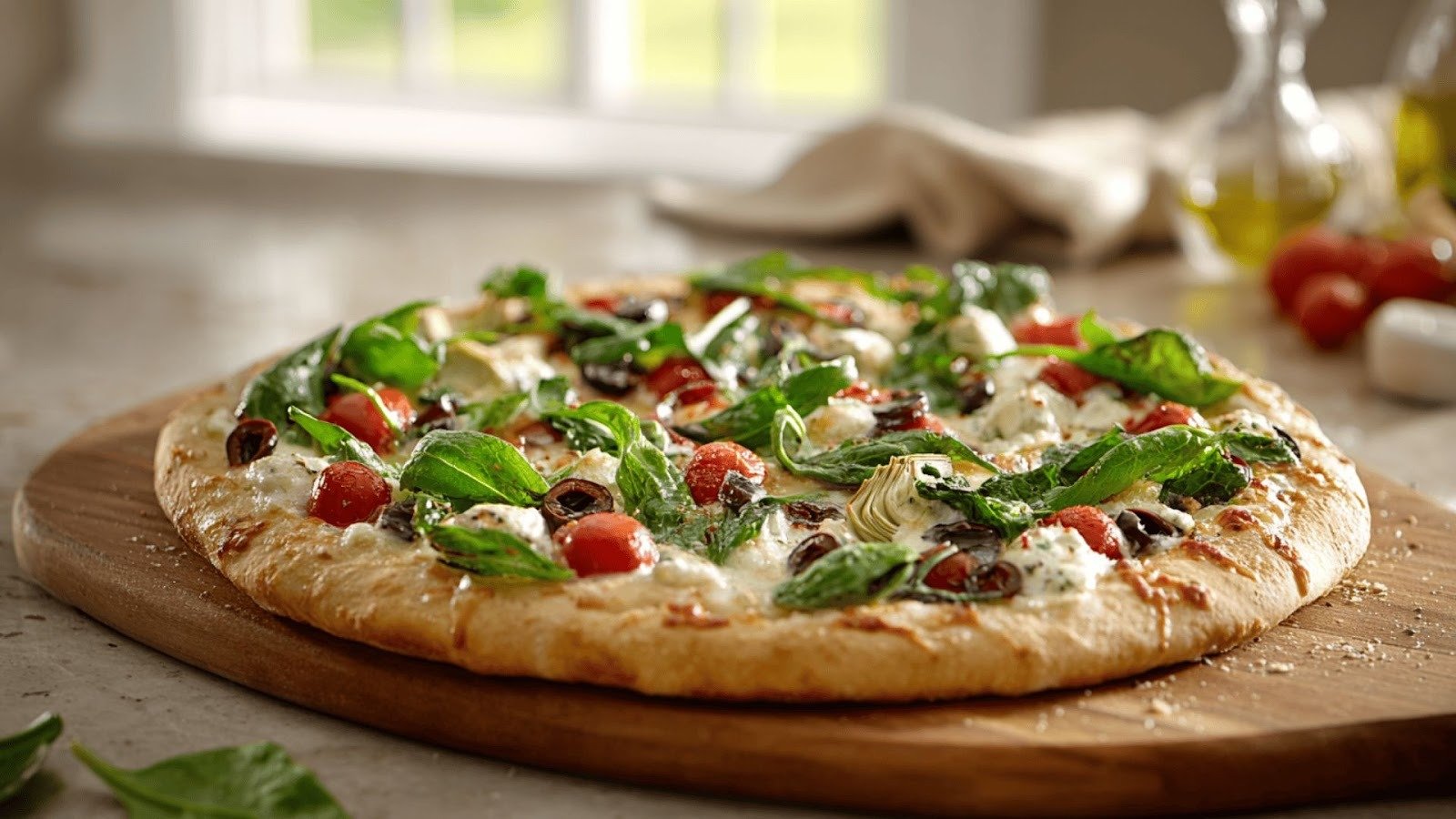
Gluten-Free Pizza Dough Recipe: The Ultimate Pizza Recipe for Delicious Homemade Pizza
Pizza is one of the most popular and loved foods in the world. Its golden, cheesy crust, savory toppings, and endless flavor combinations make it a favorite for family dinners, parties, or even a quick weeknight meal. Many people enjoy pizza because it can be customized to suit any taste—from classic Margherita to loaded veggie or meat-lovers.
However, if you’re gluten-sensitive or want to avoid gluten, finding a good pizza dough can be challenging. Most store-bought pizzas and doughs contain wheat, which isn’t suitable for people with gluten intolerance or celiac disease. That’s why this pizza dough recipe gluten free is so useful. It’s easy to make, tastes great, and works perfectly for both kids and adults who love pizza.
In this guide, we will walk you through everything you need to make a soft, chewy, and flavorful gluten-free pizza crust. You’ll learn how to mix and knead the dough, tips for baking it perfectly, and how to add toppings without making the crust soggy. We’ll also cover how to store leftover pizza so it stays fresh.
By following this recipe, you can enjoy a homemade pizza that is just as delicious as your favorite pizzeria’s. You don’t have to compromise on taste, texture, or fun when making gluten-free pizza at home. With a few simple ingredients and easy steps, you can create a pizza that everyone in the family will enjoy.
Why Make Gluten-Free Pizza Dough at Home?

Many people assume that gluten-free pizza doesn’t taste as good as regular pizza, but that’s simply not true. With the right ingredients and a few simple techniques, you can make a pizza crust that is soft, chewy, and packed with flavor. Making your own gluten-free pizza dough at home comes with several benefits:
- Healthier Option: When you make dough at home, you know exactly what goes into it. You can avoid preservatives, additives, and extra sugar often found in store-bought or frozen dough.
- Fresh and Delicious: Homemade dough always tastes better. Freshly baked pizza has a soft, chewy crust and a richer flavor that pre-packaged dough can’t match.
- Customizable: You can shape the dough however you like—thin and crispy, thick and fluffy, or somewhere in between. You can also season it with herbs, garlic, or olive oil to enhance the flavor. Plus, you get to choose any toppings your family or guests love.
- Safe for Gluten-Sensitive People: Making dough at home ensures it is completely gluten-free. This makes it a safe and delicious option for people with celiac disease, gluten intolerance, or anyone who prefers a gluten-free diet.
- Fun and Rewarding: Baking your own pizza is a fun activity for kids and adults alike. You can get creative with toppings, shapes, and flavors, turning pizza night into an enjoyable experience for the whole family.
Homemade gluten-free pizza dough proves that avoiding gluten doesn’t mean giving up on taste or texture. With a little practice, you can make a crust that is just as satisfying as traditional pizza—soft, chewy, and full of flavor.
Ingredients for Gluten-Free Pizza Dough
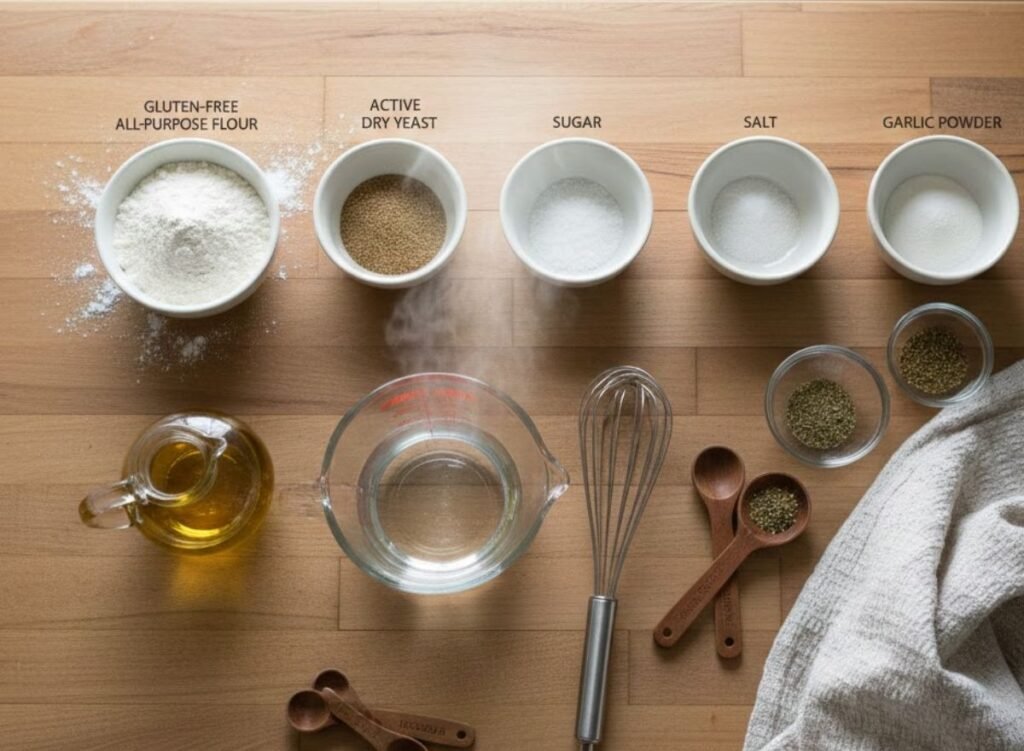
To make this pizza dough recipe gluten free, you’ll need simple ingredients that are easy to find in most grocery stores:
- 2 cups gluten-free all-purpose flour – A blend with rice flour, tapioca starch, and potato starch works best.
- 1 tablespoon sugar – Helps activate the yeast and adds a hint of sweetness.
- 1 teaspoon salt – Enhances flavor.
- 1 tablespoon active dry yeast – Essential for a light, fluffy crust.
- ¾ cup warm water (110°F / 45°C) – To activate the yeast.
- 2 tablespoons olive oil – Adds moisture and flavor.
- 1 teaspoon xanthan gum – Helps bind the dough if your flour blend doesn’t already contain it.
Optional: Herbs like oregano or garlic powder can be added to the dough for extra flavor.
Step-By-Step Instructions for Gluten-Free Pizza Dough
Making gluten-free pizza at home is easier than you might think. Follow these simple steps to create a soft, chewy, and flavorful crust that works perfectly with your favorite toppings.
Step 1: Activate the Yeast
In a small bowl, combine warm water (about 110°F or 45°C), sugar, and active dry yeast. Stir gently and let it sit for 5–10 minutes until it becomes frothy. This shows that the yeast is active and ready to help your dough rise. Using warm water is key—too hot or too cold can prevent the yeast from working properly.
Step 2: Mix Dry Ingredients
In a large mixing bowl, whisk together gluten-free flour, salt, and xanthan gum (if your flour blend doesn’t already include it). Mixing the dry ingredients well ensures even distribution of flavors and helps your dough hold together.
Step 3: Combine Wet and Dry Ingredients
Pour the yeast mixture and olive oil into the bowl with the dry ingredients. Stir until a sticky dough forms. Gluten-free dough is naturally stickier than traditional dough, so don’t worry if it feels different. A sticky dough is normal and will bake into a soft, chewy crust.
Step 4: Let the Dough Rise
Cover the bowl with a clean kitchen towel or plastic wrap. Let the dough rest in a warm, draft-free area for 30–45 minutes. Gluten-free dough may not double in size like wheat-based dough, but it should puff slightly. This resting time helps improve the texture and flavor.
Step 5: Shape the Pizza
Preheat your oven to 450°F (230°C). Place the dough on a parchment-lined baking sheet or a preheated pizza stone. Shape the dough into a circle, rectangle, or your preferred shape. Wetting your hands or lightly oiling them can make shaping easier and prevent sticking. You can also use a rolling pin if you prefer a more even crust thickness.
Step 6: Pre-Bake the Crust
Bake the crust for 8–10 minutes before adding toppings. Pre-baking helps set the dough and prevents it from becoming soggy once the sauce, cheese, and toppings are added.
Step 7: Add Toppings
Spread your favorite sauce evenly over the pre-baked crust. Then add cheese and toppings of your choice. Some popular options include:
- Classic Margherita: Tomato sauce, fresh mozzarella, and basil
- Meat Lovers: Pepperoni, sausage, or bacon
- Vegetarian: Bell peppers, onions, mushrooms, spinach, or olives
- Extra Flavor: Sprinkle fresh herbs like oregano, basil, or a pinch of garlic powder
Be careful not to overload the pizza with toppings, as this can make the crust soggy.
Step 8: Bake the Pizza
Return the pizza to the oven and bake for 10–12 minutes, or until the cheese is melted and bubbly, and the edges of the crust are golden brown. If you’re using a pizza stone, it may help the bottom crisp up nicely.
Step 9: Serve and Enjoy
Remove the pizza from the oven and let it cool for a few minutes before slicing. This makes it easier to cut and allows the cheese to set slightly. Serve hot and enjoy a homemade gluten-free pizza that’s soft, chewy, and full of flavor—perfect for family dinners, parties, or a fun weeknight meal.
Tips for the Best Gluten-Free Pizza
Making gluten-free pizza dough is slightly different from making traditional wheat-based dough, but with a few simple tips, you can achieve a soft, chewy, and flavorful crust every time.
- Use a Good Flour Blend: Not all gluten-free flours work the same. A combination of rice flour, tapioca starch, and potato starch gives the best texture, creating a crust that is soft on the inside and slightly crispy on the outside.
- Don’t Skip Pre-Baking the Crust: Pre-baking the dough for 8–10 minutes before adding toppings helps prevent a soggy bottom. This step is especially important for gluten-free dough, which can be more delicate than regular dough.
- Add Olive Oil: Mixing olive oil into the dough keeps it moist and adds a subtle, rich flavor. You can also brush a little on the crust edges before baking for a golden finish.
- Wet Your Hands While Shaping: Gluten-free dough tends to be sticky. Wetting your hands or using a bit of oil while shaping makes it easier to handle and prevents the dough from sticking to your fingers or rolling pin.
- Experiment with Herbs and Seasonings: Enhance the flavor of your dough by adding dried oregano, garlic powder, Italian seasoning, or even a sprinkle of Parmesan cheese. This gives your pizza a more aromatic and flavorful crust.
- Use a Pizza Stone or Baking Steel: For a crispier crust, bake your pizza on a preheated pizza stone or baking steel. This ensures even heat distribution and a perfectly baked bottom crust.
- Keep the Dough Covered While Rising: Gluten-free dough can dry out quickly. Cover it with a damp towel or plastic wrap while it rises to keep it soft and workable.
- Adjust Thickness to Your Preference: You can make your crust thin and crispy or thick and fluffy. Remember that thicker crusts may need a few extra minutes in the oven, while thinner crusts cook faster and get crispier.
By following these simple tips, you can make a homemade gluten-free pizza that tastes just as good—if not better—than traditional pizza.
Common Questions About Gluten-Free Pizza Dough
Q: Can I use almond flour instead of gluten-free flour?
Ans: Almond flour can be used, but keep in mind it will create a denser and slightly more crumbly crust. For the best texture and a softer, chewier pizza, a blend of gluten-free all-purpose flour is recommended. Some blends already include xanthan gum, which helps the dough hold together.
Q: Can I make this dough ahead of time?
Ans: Yes! You can prepare the dough ahead and store it in the refrigerator for up to 24 hours. Before shaping and baking, let it come to room temperature for 20–30 minutes. This helps the dough relax and makes it easier to work with.
Q: Can I freeze the dough?
Ans: Absolutely. Wrap the dough tightly in plastic wrap and place it in a freezer-safe bag. It can be frozen for up to 2 months. When ready to use, thaw the dough overnight in the refrigerator. Let it sit at room temperature for about 30 minutes before shaping to make it easier to handle.
Q: Will this dough rise as much as regular pizza dough?
Ans: Gluten-free dough doesn’t rise as much as traditional wheat-based dough, but it still puffs slightly and bakes into a soft, chewy crust. Using warm water to activate the yeast and giving the dough time to rest will help improve its texture.
Q: Can I make this dough thinner or thicker?
Ans: Yes! You can shape the dough to be thin and crispy or thick and fluffy. Keep in mind that very thin crusts may need a few extra minutes in the oven to crisp up, while thicker crusts may require slightly longer baking.
Q: Can I add flavors to the dough?
Ans: Definitely. Adding garlic powder, dried oregano, Italian seasoning, or a bit of Parmesan cheese to the dough can enhance its flavor and make your pizza even more delicious.
Delicious Variations of Gluten-Free Pizza
Once you’ve mastered this gluten-free pizza dough recipe, you can easily experiment with a variety of delicious pizza flavors. Here are some popular options:
Margherita Pizza: A classic favorite made with rich tomato sauce, fresh mozzarella, aromatic basil leaves, and a drizzle of olive oil. Simple, fresh, and full of flavor.
Veggie Pizza: Loaded with colorful vegetables like bell peppers, mushrooms, onions, olives, and spinach. Perfect for anyone looking for a lighter, nutrient-packed pizza option.
Meat-Lovers Pizza: Ideal for carnivores, this pizza features pepperoni, sausage, bacon, and plenty of gooey mozzarella cheese. Hearty, savory, and satisfying.
BBQ Chicken Pizza: A tangy twist on classic pizza with BBQ sauce, grilled chicken, thinly sliced red onions, and a generous layer of melted cheese. A favorite for backyard dinners and family meals.
White Pizza: For a cheesy, garlicky treat, try a white pizza with olive oil, creamy ricotta, mozzarella, and a touch of minced garlic. Perfect for those who love rich, savory flavors without tomato sauce.
Sweet/Dessert Pizza: Don’t forget dessert! You can make a gluten-free dessert pizza using chocolate spread, fresh fruits, berries, or nuts. A fun treat for kids or a creative twist for your next pizza night.
With this versatile dough, the possibilities are endless. You can mix and match ingredients to suit your taste or create your own signature pizza. Gluten-free doesn’t mean limiting your creativity—it’s just as fun and flavorful as traditional pizza!
Serving and Storing Your Gluten-Free Pizza
- For the best flavor and texture, serve your gluten-free pizza fresh out of the oven. The crust will be soft, chewy, and perfectly golden, while the cheese is melted and bubbly.
- If you have leftovers, don’t worry—they can be stored for later. Place the leftover slices in an airtight container or wrap them tightly with plastic wrap or aluminum foil. Store in the refrigerator for up to 2–3 days.
- When reheating, the oven is the best method to preserve the pizza’s texture. Preheat your oven to 375°F (190°C), place the slices on a baking sheet, and heat for 5–8 minutes until warm and slightly crispy. Avoid using the microwave if possible, as it can make the crust chewy or soggy.
- For longer storage, you can also freeze leftover pizza. Wrap individual slices in plastic wrap and place them in a freezer-safe bag. Freeze for up to 1–2 months. To reheat frozen pizza, bake it in a preheated oven at 375°F (190°C) for 10–12 minutes until fully heated.
- By following these simple tips, you can enjoy your homemade gluten-free pizza anytime without losing its fresh, delicious flavor.
Why This Pizza Recipe Stands Out
This gluten-free pizza dough recipe is perfect for anyone who wants a soft, flavorful crust without gluten. It’s:
- Easy to make with simple ingredients.
- Soft, chewy, and golden when baked.
- Versatile enough for any toppings.
- Family-friendly and safe for gluten-sensitive eaters.
Whether you’re a beginner or an experienced cook, this pizza recipe is approachable and satisfying. You don’t need fancy ingredients or techniques to enjoy a delicious homemade pizza.
Final Thoughts
Gluten-free doesn’t have to mean flavor-free. This pizza dough recipe gluten free gives you the best of both worlds: a soft, chewy crust that holds up to your favorite toppings while being safe for gluten-sensitive diets. With easy steps, helpful tips, and endless variations, you can make homemade pizza nights a new family favorite.
Try this recipe today and experience the joy of a fresh, homemade pizza that everyone can enjoy. From classic Margherita to loaded veggie or meat-lovers pizza, this pizza recipe proves that gluten-free can be just as delicious—and even healthier—than traditional pizza.
Pizza Recipe FAQs
Q: What makes this pizza recipe gluten-free?
Ans: This pizza recipe uses gluten-free all-purpose flour instead of wheat flour, making it safe for people with gluten intolerance or celiac disease.
Q: Does gluten-free pizza taste like regular pizza?
Ans: Yes, when prepared properly, gluten-free pizza can be just as soft, chewy, and flavorful as traditional pizza.
Q: Can I use almond flour for this pizza recipe?
Ans: Almond flour can be used, but it creates a denser crust. For the best texture, gluten-free all-purpose flour is recommended.
Q: Do I need xanthan gum in gluten-free pizza dough?
Ans: Xanthan gum helps bind the dough. If your gluten-free flour blend already includes it, you can skip adding extra.
Q: Can I prepare this pizza dough ahead of time?
Ans: Yes, you can make the dough and store it in the refrigerator for up to 24 hours. Let it rest at room temperature before shaping.
Q: Can I freeze gluten-free pizza dough?
Ans: Yes, wrap the dough tightly and freeze it for up to 2 months. Thaw overnight in the refrigerator before use.
Q: Will gluten-free pizza dough rise like regular dough?
Ans: Gluten-free dough rises slightly but not as much as wheat dough. Proper yeast activation improves texture.
Q: Why is pre-baking important in this pizza recipe?
Ans: Pre-baking helps prevent a soggy crust and ensures the pizza holds toppings well.
Q: Can I make this pizza crust thin or thick?
Ans: Yes, you can shape the crust thin for crispiness or thick for a softer bite. Adjust baking time as needed.
Q: What toppings work best for this pizza recipe?
Ans: Cheese, tomato sauce, vegetables, pepperoni, chicken, and fresh herbs all work well. Avoid overloading toppings.
Q: How should I store leftover pizza?
Ans: Store slices in an airtight container in the refrigerator for up to 2–3 days.
Q: What is the best way to reheat gluten-free pizza?
Ans: Reheat in the oven at 375°F (190°C) for 5–8 minutes to maintain crispness.
Q: Is this pizza recipe good for kids and families?
Ans: Yes, it’s easy, fun to make, and perfect for family pizza nights.