
 -by
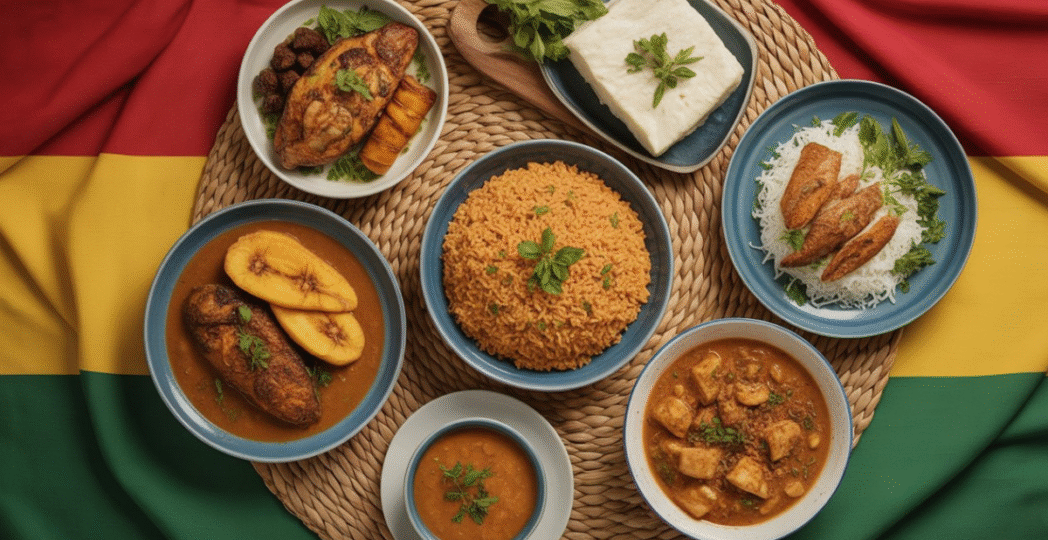
-by Ghanaian cuisine is more than just food — it tells the story of the people, the land, and their culture. It is full of bold flavors, spicy stews, and rich textures that you won’t find anywhere else in West Africa. From the famous jollof rice to comforting dishes like fufu, banku, and kenkey, Ghanaian food is simple, fresh, and full of spice.
People often share meals with family and friends, showing unity and hospitality as they eat from one big bowl. They usually make meals with natural ingredients like cassava, yam, plantains, maize, and rice. Spices, peppers, and palm oil add strong flavors, making each dish unique and memorable. Whether you eat at home, a local eatery, or during a festival, Ghanaian cuisine is all about sharing, enjoying, and celebrating food together. It’s not just about taste — it’s about culture, tradition, and connection.
Ghanaian cuisine is one of the shining stars of African culinary traditions. If you’d like to explore how African flavors are spreading globally, check out our African Restaurants Guide for must-visit spots around the world.
The Foundation of Ghanaian Cooking: Ingredients and Flavors

Before we look at specific dishes, let’s see what makes Ghanaian cuisine special. Most meals feature a few main ingredients and use strong spices and sauces for flavor.
Core Ingredients
- Cassava: Used to make fufu, gari, and other fermented dishes.
- Plantains: Eaten ripe (fried) or unripe (boiled), plantains add both sweetness and starch to meals.
- Yam: Boiled, fried, or pounded into fufu, yam is a versatile base.
- Maize (corn): Ground and fermented for dishes like banku and kenkey.
- Rice: A staple, especially for jollof rice and waakye.
- Palm oil: Deep red and full of flavor, used in stews and soups.
- Peppers: Scotch bonnet or chili peppers bring the heat.
- Fish and meat: Dried fish, smoked mackerel, goat, beef, and chicken are popular protein sources.
Key Spices and Seasonings
Ghanaian dishes are aromatic and spicy, with common seasonings including:
- Ginger
- Garlic
- Onions
- Cloves
- Nutmeg
- Shrimp powder
- Ground crayfish
Love combining travel with great food? Visit beachnear.net to find the best beaches and nearby restaurants for an unforgettable coastal experience.
01. Jollof Rice: Ghana’s Pride and Pan-African Icon

No discussion about Ghanaian food is complete without Jollof rice, the beloved dish that has sparked friendly rivalries across West Africa.
1.1 What Is Jollof Rice?
Cooks prepare Jollof rice as a one-pot dish by cooking rice in a spicy tomato-based sauce with onions, garlic, ginger, and red pepper. They usually serve it with fried plantains, grilled chicken, or fish.
1.2 Ghanaian Jollof vs. Nigerian Jollof
The Ghanaian version usually uses basmati rice, which makes it a bit firmer and gives a nice aroma. Cooks use extra tomato paste and less oil, giving the rice a bright red color and a slightly smoky taste.
Nigerian Jollof usually uses long-grain rice and more oil. Chefs cook it with tomatoes, peppers, and spices, giving it a rich, flavorful taste and a slightly softer texture than the Ghanaian version.
Jollof rice is a famous dish across West Africa and often sparks friendly debates between countries. If you want to learn more about the foods of the region, check out our guide to Nigerian food.
1.3 Basic Recipe: Ghanaian Jollof Rice
Ingredients:
- 3 cups basmati rice
- 1 can tomato puree
- 2 medium onions
- 2 cloves garlic
- 1 thumb ginger
- 2 scotch bonnet peppers
- 1 tsp thyme
- 2 cups chicken stock
- 1/4 cup vegetable oil
- Salt and seasoning cubes to taste
Instructions:
- Blend tomatoes, onion, garlic, ginger, and pepper into a smooth sauce.
- Heat oil in a pot and fry the sauce until thick and rich.
- Add chicken stock, thyme, and seasoning.
- Stir in washed rice and cover tightly to steam.
- Cook on low heat until rice absorbs all the sauce.
- Serve hot with fried plantains or grilled chicken.
Pro Tip: The secret to perfect Ghanaian jollof is letting the rice at the bottom slightly burn — the crispy layer is called “bottom pot” and is highly prized!
02. Fufu and Soup: The Soul of Ghanaian Meals

2.1 What Is Fufu?
Fufu is a smooth, stretchy dough made by pounding boiled cassava, yam, or plantains until soft. It’s the ultimate comfort food, often eaten with rich soups like light soup, groundnut soup, or palm nut soup.
2.2 Common Ghanaian Soups
- Groundnut Soup: Made from roasted peanuts, tomato, and spices — creamy and nutty.
- Palm Nut Soup (Abenkwan): Made from palm fruit extract, giving it a deep red color.
- Light Soup: A spicy tomato-based broth often served with goat meat or fish.
How to Eat:
Fufu is eaten by pinching a small piece with your fingers, dipping it into the soup, and swallowing (not chewing!). It’s a meal that’s both hearty and symbolic of Ghanaian hospitality.
03. Banku and Kenkey: Fermented Flavors of the Coast

3.1 Banku
Banku is made from fermented corn and cassava dough cooked into a smooth, slightly tangy paste. It’s often served with okra stew, pepper sauce, or grilled tilapia.
3.2 Kenkey
Kenkey is similar to banku but steamed in corn husks instead of cooked in a pot. It has a stronger sour flavor and is usually eaten with fried fish and shito (hot black pepper sauce).
Did You Know?
Kenkey is a traditional dish of the Ga people in Accra and is a favorite street food across coastal Ghana.
04. Waakye: The Breakfast Classic

4.1 What Is Waakye?
Waakye (pronounced waa-chay) is a popular Ghanaian breakfast or lunch dish made from rice and black-eyed peas. It’s cooked with dried millet leaves, which give it a unique reddish-brown color.
4.2 Typical Waakye Sides
- Fried plantains
- Gari (toasted cassava granules)
- Spaghetti
- Stew (tomato-based sauce)
- Boiled eggs or fried fish
It’s a dish you’ll often find at street stalls early in the morning, with long queues of people waiting for their favorite vendor.
05. Kelewele: Ghana’s Sweet and Spicy Street Snack

Kelewele is one of the most famous street foods in Ghana. It’s made from ripe plantains cut into cubes and fried with a mix of ginger, pepper, and salt.
How to Make It:
- Slice ripe plantains into cubes.
- Blend ginger, garlic, and chili pepper.
- Toss the plantains with the spice mix.
- Fry until golden brown.
Serve with: Roasted peanuts or grilled meat.
The combination of sweetness and heat makes kelewele irresistible — perfect as a snack or side dish.
06. Gari Fortor and Gari Soakings: Creative Cassava Dishes

6.1 Gari Fortor
Gari Fortor is a Ghanaian delicacy that can be served as a main dish mixed with tomato stew, onions, and eggs. It’s a quick and tasty meal, often served with fried fish.
6.2 Gari Soakings
Gari Soaking is a popular Ghanaian dessert made from soaked gari, milk, sugar, and groundnuts. It’s similar to cereal — light, sweet, and cooling on a hot day.
07. Shito: The Ultimate Ghanaian Pepper Sauce

No Ghanaian kitchen is complete without shito, a dark, smoky, spicy sauce made from dried fish, shrimp powder, chili, and oil. It’s served with rice, kenkey, yam, or even bread. Every household has its own version — some fiery, others more garlicky — but all packed with flavor.
08. Ghanaian Drinks: From Sobolo to Palm Wine

8.1 Sobolo
A refreshing hibiscus drink flavored with ginger and cloves — similar to Caribbean sorrel. It’s bright red, tangy, and naturally caffeine-free.
8.2 Palm Wine
A traditional fermented drink tapped from palm trees, mildly alcoholic and slightly sweet. Best enjoyed fresh in rural areas.
8.3 Asana
A local non-alcoholic drink made from caramelized maize and sugar, similar to malt soda.
Popular Ghanaian Breakfast Foods
Breakfast in Ghana is hearty and designed to keep people energized throughout the day. While waakye is one of the country’s most famous morning meals, many households enjoy a variety of traditional foods prepared with local ingredients.
Some common Ghanaian breakfast foods include:
- Hausa Koko – A spicy millet porridge flavored with ginger and cloves, usually served with fried bean cakes (Koose).
- Tom Brown Porridge – Made from roasted maize, soybeans, and groundnuts, offering a nutritious start to the day.
- Rice Water – A creamy rice porridge enjoyed with milk and sugar.
- Tea Bread with Avocado or Eggs – A simple but popular breakfast in urban homes.
- Waakye – Served with eggs, fish, spaghetti, gari, stew, and fried plantains.
Traditional Ghanaian Desserts
Although Ghanaian cuisine is best known for savory dishes, several traditional desserts and sweet snacks are equally enjoyable.
Popular desserts include:
- Gari Soakings
- Coconut Candy
- Peanut Brittle (Nkatie Cake)
- Plantain Chips
- Bofrot (Ghanaian doughnuts)
- Sweet roasted corn during harvest season
These treats are commonly sold by street vendors and enjoyed during festivals and family gatherings.
Health Benefits of Ghanaian Cuisine
Many traditional Ghanaian meals are naturally nutritious because they rely on fresh ingredients instead of heavily processed foods.
Health benefits include:
- Rich in dietary fiber from cassava, yam, and plantains.
- Good source of protein from fish, beans, and legumes.
- Fresh vegetables provide essential vitamins and minerals.
- Fermented foods like kenkey and banku may support digestive health.
- Traditional spices such as ginger and garlic contain natural antioxidants.
Balanced portion sizes and moderate use of palm oil can make Ghanaian cuisine part of a healthy diet.
Vegetarian and Vegan Ghanaian Foods
Although many Ghanaian recipes include fish or meat, there are plenty of plant-based options.
Popular vegetarian meals include:
- Red Red (beans with fried plantains)
- Plain Waakye
- Kelewele
- Gari Soakings
- Vegetable stews
- Boiled yam with pepper sauce
- Kontomire stew prepared without meat
Many restaurants also offer vegan versions of traditional recipes.
Best Side Dishes Served with Ghanaian Food
Ghanaian meals are often accompanied by flavorful side dishes that enhance texture and taste.
Common sides include:
- Fried ripe plantains
- Shito pepper sauce
- Fresh vegetable salad
- Avocado slices
- Boiled eggs
- Roasted groundnuts
- Pepper and onion relish
- Fried fish
Where to Try Authentic Ghanaian Cuisine in the USA
Ghanaian cuisine has become increasingly popular across the United States, especially in cities with large West African communities.
You can find authentic Ghanaian restaurants in:
- New York City
- Washington, D.C.
- Houston
- Atlanta
- Chicago
- Dallas
- Minneapolis
Many restaurants serve favorites like jollof rice, fufu, banku, waakye, kelewele, and grilled tilapia prepared using traditional family recipes.
Regional Diversity: North, South, and Coastal Ghana
Ghanaian cuisine varies by region:
- Northern Ghana: Millet, sorghum, and groundnut-based dishes like Tuo Zaafi (millet dough with vegetable soup).
- Southern Ghana: Rich in seafood dishes like banku and tilapia.
- Ashanti Region: Known for fufu with light soup.
- Ga Region (Accra): Famous for kenkey and shito.
This regional diversity gives Ghanaian food its depth and endless variety.
Ghanaian Food Culture
People in Ghana usually eat together. Families and friends share one bowl and eat with their hands to show unity and togetherness.
Food also plays a big role in festivals and ceremonies:
- Homowo Festival: Celebrates the harvest with kpokpoi (a special maize dish).
- Akwasidae Festival: A royal feast in Ashanti culture.
Whether at home, in a chop bar (local eatery), or at a celebration, food brings people together in joy and gratitude.
Modern Ghanaian Cuisine
Modern Ghanaian chefs mix local flavors with global cooking styles to create new versions of traditional dishes. You’ll now find:
- Jollof rice sushi rolls
- Kelewele burgers
- Fufu served as gourmet-tasting portions
Restaurants in Accra and abroad are helping Ghanaian cuisine gain international recognition while staying true to its roots.
Tips for First-Time Visitors to a Ghanaian Restaurant
If you’re visiting a Ghanaian restaurant for the first time:
- Don’t hesitate to ask about spice levels.
- Many dishes are designed for sharing.
- Some meals are traditionally eaten by hand.
- Portions are usually generous.
- Try shito with different dishes for an authentic flavor.
- Pair your meal with Sobolo or Asana for a complete experience.
Conclusion
Ghanaian cuisine is a vibrant celebration of flavor, culture, and tradition. From iconic dishes like jollof rice, fufu, banku, and waakye to delicious street foods such as kelewele and flavorful condiments like shito, every meal reflects Ghana’s rich culinary heritage. Prepared with fresh ingredients, aromatic spices, and time-honored cooking techniques, Ghanaian food offers a unique dining experience that appeals to both locals and international food lovers.
Whether you’re cooking authentic Ghanaian recipes at home or searching for the best Ghanaian restaurants in the USA, exploring these traditional dishes is a great way to discover the heart of West African cuisine. Every bite tells a story of community, hospitality, and generations of culinary tradition. If you’re looking to expand your food adventures, Ghanaian cuisine deserves a place at the top of your must-try list.
So next time you’re exploring African food, make sure Ghanaian dishes are at the top of your list. You’ll experience not just a meal, but a culture. While Ghanaian dishes represent the heart of West Africa, East Africa has its own rich culinary traditions. Explore bold stews, injera, and more in our Ethiopian Cuisine: A Taste of East Africa
FAQs – Ghanaian Cuisine
Q: What is Ghanaian cuisine known for?
Ans: Ghanaian cuisine is known for its bold, spicy flavors and hearty, comforting dishes made from natural ingredients like cassava, yam, plantains, and maize. It often features spicy stews, rich soups, and communal meals such as jollof rice, fufu, and banku served with fish or meat.
Q: What are the most popular traditional Ghanaian dishes?
Ans: Some of the most popular Ghanaian dishes include jollof rice, fufu with soup, banku and tilapia, waakye, kelewele, and kenkey. Each dish reflects Ghana’s diverse regions and showcases a mix of savory, spicy, and slightly sour flavors.
Q: What is the main ingredient in Ghanaian cuisine?
Ans: The main ingredients in Ghanaian cuisine are cassava, plantains, yam, maize (corn), rice, peppers, and palm oil. Protein sources like smoked fish, beef, chicken, and shrimp are also widely used in stews and soups.
Q: What is fufu, and how is it eaten?
Ans: Fufu is a soft, stretchy dough made from boiled cassava, yam, or plantain that’s pounded until smooth. It’s eaten by hand — small pieces are dipped into soups like light soup or groundnut soup and swallowed without chewing.
Q: Is Ghanaian cuisine spicy?
Ans: Yes, Ghanaian cuisine is known for its spice! Most dishes include chili peppers or scotch bonnet for heat. However, spice levels vary by region and personal preference — some dishes can be mild, especially those served with soups or stews.
Q: What is the national dish of Ghana?
Ans: While Ghana has many famous foods, jollof rice is often considered the national dish because it’s loved by everyone and served at celebrations, weddings, and festivals across the country.
Helpful Resources
If your readers are interested in technology, digital tools, or online business, they can explore Tech All World and Techh AtoZ for tutorials, software guides, and technology news.
Businesses in the food industry can discover restaurant-related insights on Restaurent.net, while travelers looking for coastal destinations can find useful travel guides on Beach Near.