
 -by
-by Choosing the right diabetes breakfast foods can make a big difference in how you feel throughout the day. Breakfast is the first meal after many hours of fasting. Therefore, it plays a key role in controlling blood sugar levels and maintaining steady energy.
However, many common breakfast foods contain refined carbohydrates and added sugar. These foods may cause a rapid increase in blood glucose. As a result, people with diabetes may experience energy crashes, hunger, and difficulty managing their condition.
Moreover, a balanced breakfast can support metabolism and improve focus during the morning. In addition, the right combination of fiber, protein, and healthy fats helps slow down glucose absorption. This balance keeps blood sugar stable for longer periods.
So, what are the best diabetes breakfast foods to start your day? Should you avoid carbs completely, or is balance more important? In this guide, you will learn about the best breakfast foods, essential nutrients, and simple meal ideas for people with diabetes.
Why Breakfast Is Important for People with Diabetes
Breakfast plays an essential role in blood sugar management. After a night of fasting, the body needs fuel to function properly. Therefore, eating balanced breakfast foods can help prevent sudden spikes in blood sugar. Moreover, skipping breakfast may lead to overeating later in the day. As a result, blood sugar levels may become harder to control. In addition, hunger hormones may increase when breakfast is skipped.
Healthy diabetes breakfast foods provide steady energy for the morning. Protein, fiber, and healthy fats work together to slow digestion. Therefore, glucose enters the bloodstream gradually. However, not all breakfast options are suitable for people with diabetes.
Sugary cereals, pastries, and sweet drinks may raise blood sugar quickly. So, choosing the right breakfast foods becomes very important. Have you ever felt tired or hungry soon after eating breakfast? The type of foods you eat might be the reason.
Love combining travel with great food? Visit beachnear.net to find the best beaches and nearby restaurants for an unforgettable coastal experience.
Key Nutrients in Diabetes Breakfast Food
To build a healthy breakfast, it is important to understand the nutrients that support blood sugar control. Moreover, a balanced meal should include fiber, protein, and healthy fats.
High Fiber Foods
Fiber is one of the most important components of diabetes breakfast foods. It slows down digestion and helps regulate blood sugar levels. Therefore, high-fiber breakfast foods are strongly recommended.
Foods rich in fiber include:
- Oatmeal
- Whole grain bread
- Chia seeds
- Flaxseeds
- Berries
- Apples
Moreover, fiber helps you feel full for longer periods. As a result, it reduces unnecessary snacking between meals. In addition, fiber supports digestive health. Whole foods are often recommended by nutrition experts. However, processed foods usually contain less fiber. Do you usually include fiber in your breakfast?
Lean Protein
Protein is another important part of diabetes breakfast foods. It helps stabilize blood sugar and reduces hunger. Moreover, protein slows down the digestion of carbohydrates.
Healthy protein sources include:
- Eggs
- Greek yogurt
- Cottage cheese
- Tofu
- Nuts
- Nut butter
In addition, protein supports muscle health and metabolism. Therefore, adding protein to your breakfast foods can improve overall energy levels. However, it is important to choose lean protein options. Foods high in saturated fat should be limited.
Healthy Fats
Healthy fats also play an important role in diabetes breakfast foods. They slow digestion and help keep blood sugar levels stable.
Good sources of healthy fats include:
- Avocado
- Almonds
- Walnuts
- Olive oil
- Peanut butter
Moreover, healthy fats increase satiety. As a result, you feel satisfied for a longer time after breakfast. However, portion size is important. Eating too much fat may increase calorie intake. Therefore, moderation is key.
Best Diabetes Breakfast Foods Ideas
Now that you understand the essential nutrients, let’s explore some practical meal ideas. These breakfast foods are nutritious, balanced, and suitable for people with diabetes.
Oatmeal with Nuts and Berries
Oatmeal is one of the most recommended diabetes breakfast food options. It is rich in soluble fiber, which helps control blood sugar levels. Moreover, oatmeal supports heart health and digestion. Adding nuts and berries increases protein, antioxidants, and healthy fats.
However, it is important to avoid flavored oatmeal packets. These often contain added sugar. Instead, choose plain oats and add natural toppings. A simple bowl of oatmeal can be both satisfying and nutritious. Have you tried adding chia seeds or cinnamon to your oatmeal?
Eggs with Whole Grain Toast
Eggs are a powerful protein source. Therefore, they are an excellent choice for diabetes breakfast foods. Moreover, eggs contain important nutrients such as vitamin B12 and choline. When paired with whole grain toast, they create a balanced breakfast.
Whole grains provide fiber and slow-digesting carbohydrates. As a result, blood sugar rises more gradually. In addition, you can add vegetables like spinach or tomatoes. This makes the meal even more nutritious.
Greek Yogurt with Seeds and Fruit
Greek yogurt is high in protein and probiotics. Therefore, it supports gut health and digestion. This makes it an ideal diabetes breakfast food option. Moreover, it keeps you full for longer periods.
You can add chia seeds, flaxseeds, or almonds for extra fiber and healthy fats. Berries can also provide natural sweetness. However, choose plain Greek yogurt instead of flavored versions. Flavored yogurt often contains added sugar.
Smoothies with Balanced Ingredients
Smoothies can be a convenient and healthy diabetes breakfast food. However, balance is very important. Many smoothies contain too much fruit and sugar. Therefore, it is important to include protein and fiber.
A healthy smoothie may include:
- Unsweetened almond milk
- Spinach or kale
- Berries
- Protein powder
- Chia seeds
Moreover, this combination provides vitamins, minerals, and antioxidants. Have you ever tried a green smoothie for breakfast?
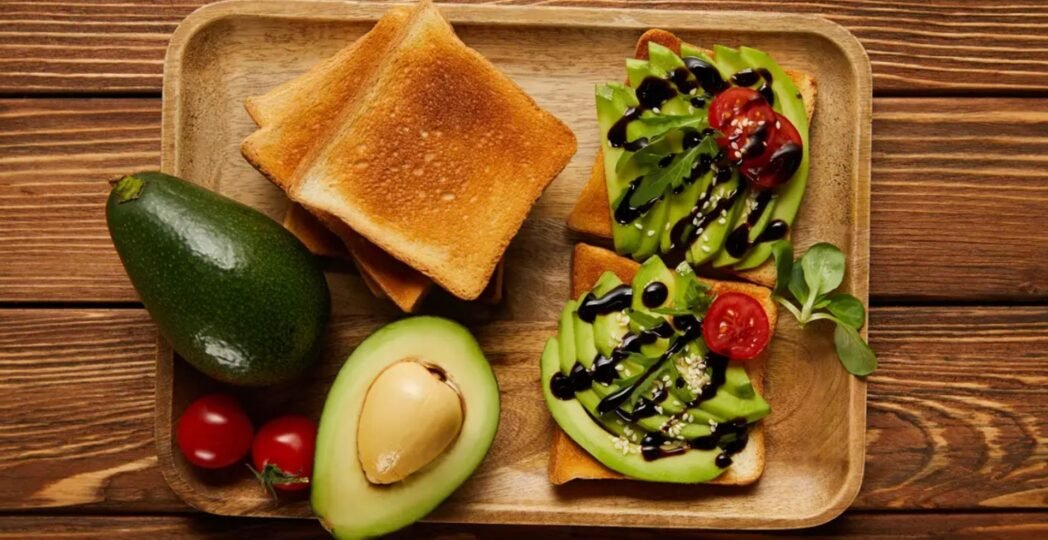
Avocado Toast with Eggs
Avocado toast has become very popular in recent years. Moreover, it can be an excellent diabetes breakfast food. Avocados provide healthy fats and fiber. Whole grain bread adds complex carbohydrates. Adding eggs increases the protein content of the meal.
Therefore, this breakfast becomes balanced and filling. In addition, you can add tomatoes or cucumber slices. These vegetables add extra nutrients and flavor.
Breakfast Foods People with Diabetes Should Limit
While many breakfast foods are healthy, some may cause rapid blood sugar spikes. Therefore, it is important to limit certain foods.
Examples include:
- Sugary cereals
- White bread
- Pancakes with syrup
- Pastries and donuts
- Sweetened yogurt
- Fruit juices
These foods contain refined carbohydrates and added sugar. As a result, they can raise blood glucose quickly. However, occasional treats are acceptable in moderation. Balance and portion control remain important. Have you noticed how some foods affect your energy levels after breakfast?
Tips for Creating a Balanced Diabetes Breakfast
Building a healthy diabetes breakfast foods routine does not have to be complicated. In fact, small and consistent changes can make a big difference in blood sugar control. A balanced breakfast helps your body start the day with steady energy and better glucose stability. Below are some practical and easy tips to help you create a healthy breakfast.
Combine Nutrients
A balanced breakfast should include a mix of carbohydrates, protein, and healthy fats. This combination slows down digestion and helps prevent sudden blood sugar spikes.
For example, you can pair whole-grain toast with eggs, or oatmeal with nuts and Greek yogurt. These combinations keep you full longer and provide steady energy throughout the morning.
Choose Whole Foods
Whole foods are always a better choice than heavily processed foods. Whole grains, fresh fruits, vegetables, and natural ingredients provide more fiber and nutrients.
Fiber is especially important for people with diabetes because it helps regulate blood sugar levels. Therefore, try to choose foods like whole-grain bread, oats, berries, and nuts whenever possible.
Control Portion Sizes
Even healthy breakfast foods should be eaten in reasonable portions. Eating too much food at once can still raise blood sugar levels. Using smaller plates, measuring portions, or following recommended serving sizes can help you maintain better balance in your meals.
Avoid Added Sugar
Foods with added sugar can cause quick spikes in glucose levels. Many breakfast items such as pastries, sweet cereals, and flavored drinks contain hidden sugars. Instead, choose natural sweetness from fruits like berries, apples, or bananas. These options provide vitamins, minerals, and fiber along with gentle sweetness.
Stay Hydrated
Drinking water in the morning helps support digestion and overall metabolism. Staying hydrated is also important for maintaining healthy blood sugar levels. Unsweetened tea or black coffee can also be good beverage choices. However, try to avoid sugary coffee drinks or sweetened juices.
Plan Your Breakfast Ahead
Planning your breakfast the night before can make healthy eating easier. For example, you can prepare overnight oats, boiled eggs, or chopped fruit in advance. Having healthy options ready in the morning reduces the chance of choosing less healthy, high-sugar foods.
Sample Weekly Diabetes Breakfast Foods Plan
Creating a simple weekly breakfast plan can make healthy eating much easier. It also helps you stay consistent with your food choices. When you plan your meals in advance, you are less likely to skip breakfast or choose foods that may raise blood sugar quickly. A balanced breakfast with fiber, protein, and healthy fats can help keep your energy stable throughout the morning.
Below is an easy and balanced weekly diabetes breakfast plan.
Monday: Oatmeal with berries and almonds
Oatmeal is rich in fiber, which helps control blood sugar. Berries add natural sweetness and antioxidants, while almonds provide healthy fats and protein.
Tuesday: Greek yogurt with chia seeds and fresh fruit
Greek yogurt is high in protein and helps you feel full longer. Chia seeds add fiber and omega-3 fats, while fresh fruit gives natural vitamins and flavor.
Wednesday: Eggs with whole-grain toast and avocado
Eggs are a great source of protein. Whole-grain toast provides complex carbohydrates, and avocado adds healthy fats that support stable blood sugar levels.
Thursday: Green smoothie with protein powder
A smoothie made with spinach, unsweetened almond milk, protein powder, and a small portion of fruit can be a quick and nutritious breakfast. It provides vitamins, minerals, and protein.
Friday: Cottage cheese with nuts and apple slices
Cottage cheese is high in protein and low in carbohydrates. Nuts add healthy fats, while apple slices provide fiber and natural sweetness.
Saturday: Avocado toast with eggs
Whole-grain toast topped with avocado and eggs offers a balanced combination of carbohydrates, protein, and healthy fats. This meal keeps you satisfied for hours.
Sunday: Oatmeal with flaxseeds and cinnamon
Flaxseeds add extra fiber and healthy fats to oatmeal. Cinnamon may also help support better blood sugar control while adding warm flavor.
This variety keeps breakfast interesting and nutritious. It also provides different nutrients throughout the week. As a result, following a simple plan like this can help support better blood sugar management and long-term healthy eating habits.
Lifestyle Habits That Improve Blood Sugar Control
Healthy breakfast foods are important. However, lifestyle habits also play a major role in diabetes management. Regular physical activity improves insulin sensitivity. Therefore, walking or light exercise after breakfast may help control blood sugar.
Moreover, sleep quality affects metabolism and hormone balance. In addition, stress management is also important. Mindful eating can also make a difference. Eating slowly helps you recognize hunger and fullness signals. Have you ever noticed how lifestyle habits affect your blood sugar levels?
Common Myths About Diabetes Breakfast Foods
There are many misconceptions about diabetes breakfast foods. These myths can sometimes make people confused about what they should or should not eat in the morning. However, understanding the facts can help people make healthier and more balanced choices.
A well-planned breakfast can actually support better blood sugar control and overall health. Below are some common myths and the truth behind them.
Myth 1: People with Diabetes Should Avoid All Carbohydrates
This is a common misunderstanding. Carbohydrates are the body’s main source of energy, and they are still an important part of a healthy diet. The key is to choose the right type of carbohydrates. Complex carbohydrates such as whole grains, oats, and whole-grain bread digest more slowly than refined carbs.
Because of this, they help keep blood sugar levels more stable. Portion control also matters. Eating moderate amounts of healthy carbs along with protein and healthy fats can create a balanced breakfast.
Myth 2: Fruit Should Be Avoided
Some people believe that fruit is not safe for people with diabetes because it contains natural sugar. However, this is not completely true. Fruits also provide fiber, vitamins, minerals, and antioxidants that support overall health. The fiber in fruit helps slow down the absorption of sugar in the body.
The best approach is to enjoy fruit in moderate portions and choose whole fruits instead of fruit juices. Berries, apples, and pears are often good breakfast options because they contain fiber and have a lower impact on blood sugar.
Myth 3: Skipping Breakfast Helps Control Blood Sugar
Many people think skipping breakfast can help reduce calorie intake or control blood sugar. However, this strategy may actually have the opposite effect. Skipping breakfast can lead to increased hunger later in the day. As a result, people may overeat during lunch or snack on unhealthy foods.
Eating a balanced breakfast that includes protein, fiber, and healthy fats can help maintain steady energy levels and support better blood sugar control throughout the day.
Conclusion
Choosing the right diabetes breakfast food can play an important role in supporting healthy blood sugar levels and overall well-being. A balanced breakfast that includes fiber, protein, and healthy fats helps provide steady energy and prevents sudden spikes in blood glucose. Healthy breakfast options such as oatmeal, eggs, Greek yogurt, smoothies, and avocado toast are simple choices that can fit well into a diabetes-friendly diet.
These foods provide important nutrients while helping you stay full and energized throughout the morning. At the same time, it is important to limit highly processed foods, sugary cereals, pastries, and drinks with added sugar. Reducing these foods can help maintain more stable glucose levels and support better long-term health.
However, every person’s body responds differently to foods. For this reason, it is helpful to pay attention to how your body reacts after eating certain meals. Monitoring portion sizes and choosing balanced ingredients can make a big difference. With the right food choices and consistent habits, a healthy breakfast routine can become a simple and effective step toward better diabetes management.
FAQs – Diabetes Breakfast Foods
Q1: What are the best diabetes breakfast foods?
Answer: The best diabetes breakfast foods include a balance of fiber, protein, and healthy fats. Examples include oatmeal with nuts and berries, eggs with whole-grain toast, Greek yogurt with seeds, or avocado toast with eggs. These foods help maintain stable blood sugar levels and provide steady morning energy.
Q2: Can people with diabetes eat carbohydrates at breakfast?
Answer: Yes, people with diabetes can eat carbohydrates at breakfast. However, it is better to choose complex carbohydrates such as whole grains, oats, and fruits. These carbohydrates digest more slowly and help prevent sudden spikes in blood sugar.
Q3: Is oatmeal good for people with diabetes?
Answer: Yes, oatmeal is a healthy breakfast choice for people with diabetes. It contains soluble fiber, which slows digestion and helps control blood sugar levels. Choosing plain oats and adding nuts or berries can make it even healthier.
Q4: Are eggs a good breakfast for diabetes?
Answer: Eggs are an excellent breakfast option for people with diabetes. They are rich in protein and do not significantly raise blood sugar levels. Eggs can also help keep you full longer and support steady energy during the morning.
Q5: What breakfast foods should people with diabetes avoid?
Answer: People with diabetes should limit foods high in refined carbohydrates and added sugar. These include sugary cereals, pastries, pancakes with syrup, white bread, sweetened yogurt, and fruit juices. These foods may cause rapid increases in blood sugar.
Q6: Can people with diabetes eat fruit for breakfast?
Answer: Yes, fruit can be part of a healthy diabetes breakfast foods plan. Whole fruits like berries, apples, and pears provide fiber, vitamins, and antioxidants. However, portion control is important, and fruit juice should be limited.
Q7: Is skipping breakfast good for people with diabetes?
Answer: Skipping breakfast is generally not recommended for people with diabetes. It may increase hunger later in the day and lead to overeating. Eating a balanced breakfast helps maintain stable blood sugar and energy levels.
Q8: What drinks are best with a diabetes-friendly breakfast?
Answer: Healthy drink options include water, unsweetened tea, and black coffee. These beverages do not contain added sugar and help keep the body hydrated. Sugary drinks and sweetened juices should be avoided or limited.


1 Comment