
 -by
-by Have you ever wondered what it feels like to eat a meal that costs more than an international vacation? While most travelers search for delicious street food or family-owned restaurants, some adventures lead to the world’s most luxurious dining tables. These extraordinary meals are not just about satisfying hunger—they represent culture, craftsmanship, rarity, and unforgettable memories.
Imagine sitting in a Michelin-starred restaurant overlooking the Mediterranean Sea while a chef carefully serves white truffles shaved over handmade pasta. Meanwhile, another traveler may be enjoying fresh Almas caviar inside a luxury hotel in Dubai. These experiences transform food into art.
Today, the most expensive food in the world attracts travelers from every corner of the globe. Some fly thousands of miles simply to taste a single ingredient harvested once a year. Others reserve exclusive restaurants months in advance just to enjoy dishes prepared by world-famous chefs.
However, luxury dining isn’t only about the price tag. Every premium ingredient has an incredible story. From fishermen diving deep into the ocean for rare seafood to farmers carefully cultivating legendary mushrooms, every bite represents years of tradition and dedication.
Why Is Some Food So Expensive?
Before exploring the world’s costliest dishes, it’s worth asking a simple question: why would someone pay hundreds—or even thousands—of dollars for a single meal? The answer goes far beyond luxury. In many cases, rarity is the biggest factor. Some ingredients grow only in one region of the world, while others can be harvested during a very short season. Therefore, a limited supply naturally increases demand.
Moreover, many luxury foods require extraordinary skill to produce. Farmers spend years nurturing specific plants, fishermen work under dangerous conditions, and chefs dedicate decades to mastering traditional preparation techniques. Another reason is exclusivity. High-end restaurants often serve ingredients available in extremely limited quantities.
Guests aren’t simply paying for food—they’re investing in an experience that very few people can enjoy. Finally, prestige also plays an important role. Dining at iconic restaurants or tasting legendary ingredients has become part of luxury travel, especially for food enthusiasts who enjoy collecting unforgettable culinary experiences around the world.
What Makes Luxury Food Different?
Luxury food isn’t necessarily better than your favorite homemade meal. Instead, it offers something unique that cannot easily be replicated. Several factors separate premium ingredients from everyday foods:
Rare Availability
Some ingredients exist in only a handful of locations worldwide. White truffles, for example, grow naturally beneath specific trees in parts of Italy and Croatia. Because they cannot be commercially farmed with consistent success, every harvest remains unpredictable.
Exceptional Quality
Luxury ingredients must meet incredibly high standards. Whether it’s perfectly marbled Wagyu beef or premium caviar, producers carefully inspect every product before it reaches fine-dining restaurants.
Traditional Craftsmanship
Many expensive foods rely on centuries-old techniques. Families often pass these methods from one generation to another. Consequently, every product reflects years of knowledge and cultural heritage.
Memorable Dining Experience
Perhaps the greatest luxury comes from the complete experience. Beautiful presentation, attentive service, elegant surroundings, and personalized hospitality create memories that last far longer than the meal itself.
Top 20 Most Expensive Foods in the World
01. Almas Caviar – The World’s Most Luxurious Delicacy

Address: Caviar House & Prunier Piccadilly, 161 Piccadilly, London W1J 9EA, United Kingdom
Phone: +44 20 7409 0445
Website: Almas Caviar
Average Price
$25,000–$35,000 per kilogram
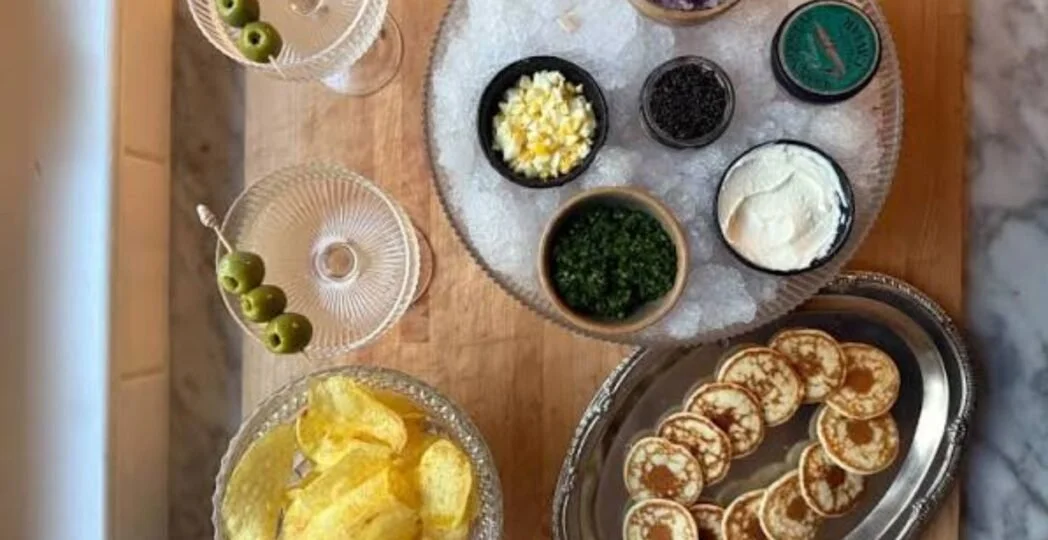
Almas caviar is widely recognized as one of the world’s most luxurious foods, prized for its rarity and exceptional quality. Harvested from rare albino Beluga sturgeon in the Caspian Sea, its golden pearls offer a delicate, buttery flavor with a subtle nutty finish.
Because production is extremely limited, authentic Almas caviar is difficult to find. Nevertheless, select fine-dining restaurants and luxury hotels in cities like London, Dubai, Paris, and New York occasionally serve this exclusive delicacy.
Traveler Tip
If you’re trying luxury caviar for the first time, enjoy it with a mother-of-pearl spoon instead of metal. Metal utensils can subtly alter the delicate flavor.
02. White Truffles – Italy’s Hidden Culinary Treasure

Address: Ente Fiera Internazionale del Tartufo Bianco d’Alba, Piazza Risorgimento 2, 12051 Alba (CN), Italy
Phone: +39 0173 361051
Website: White Truffles
Average Price
$3,000–$8,000 per kilogram
Autumn in northern Italy marks the arrival of the prized white truffle season, drawing food lovers and chefs from across the globe. These rare underground fungi grow naturally near oak and hazelnut trees and are carefully located by specially trained dogs.
Since white truffles cannot be reliably cultivated, each harvest is limited and highly valuable. Their rich, earthy aroma enhances dishes like fresh pasta, risotto, eggs, and premium steaks with unforgettable flavor.
Best Places to Try
- Alba, Italy
- Piedmont Region
- Tuscany
- Luxury restaurants throughout Europe and the USA
03. Japanese Kobe Beef – The King of Premium Steak

Address: Kobe Beef Marketing & Distribution Promotion Association, 4-13-3 Nakayamatedori, Chuo Ward, Kobe, Hyogo 650-0011, Japan
Phone: +81 78-332-1129
Website: Japanese Kobe Beef
Average Price
$300–$600 per steak
Authentic Kobe beef is one of the world’s most celebrated luxury foods, sourced from carefully raised Tajima cattle in Japan’s Hyogo Prefecture. Its exceptional marbling creates a rich, buttery flavor and an incredibly tender texture when cooked.
Farmers follow rigorous standards for feeding and animal care, resulting in limited annual production. Dining on Kobe beef is even more memorable when a skilled teppanyaki chef prepares it live, turning the meal into an unforgettable culinary experience.
Traveler Experience
Many visitors consider enjoying authentic Kobe beef in Japan one of the highlights of their entire trip.
04. Saffron – The World’s Most Expensive Spice

Address: Novin Saffron Co., Phase 1, Toos Industrial Estate, Mashhad, Razavi Khorasan Province, Iran
Phone: +98 51-3541-3300
Website: Saffron
Average Price
$5,000–$10,000 per kilogram
Saffron may appear as simple red threads, yet each strand represents a remarkable journey of patience and craftsmanship. Extracted from the delicate stigma of the Crocus sativus flower, only a few threads can be collected from each bloom.
The harvesting process is completely manual, requiring thousands of flowers to produce a small quantity. As a result, saffron remains one of the world’s most valuable spices, adding a luxurious aroma, golden color, and unique flavor to dishes like paella, risotto, biryani, and desserts.
Travel Tip
If you visit Spain, Iran, or Kashmir during saffron harvest season, you’ll witness one of the world’s most fascinating agricultural traditions.
05. Bluefin Tuna – Japan’s Million-Dollar Seafood

Address: Toyosu Wholesale Fish Market, 6 Chome-5-1 Toyosu, Koto City, Tokyo 135-0061, Japan
Phone: +81 3-3520-8205
Website: Bluefin Tuna
Average Price
$200 to $500 per pound (fish that win auctions can fetch over $1 million).
Before sunrise in Tokyo, the famous tuna auctions at Toyosu Fish Market create an atmosphere filled with excitement and tradition. Buyers compete for some of the finest Bluefin tuna, valued for its rich flavor, smooth texture, and beautiful marbling.
The prized Otoro belly cut is especially popular for its buttery taste and melt-in-your-mouth quality. Due to limited supply and conservation efforts, premium Bluefin tuna remains highly valuable. For many travelers, enjoying fresh sushi after the auction becomes an unforgettable Japanese culinary experience.
Best Places to Try
- Tokyo, Japan
- Osaka, Japan
- New York luxury sushi restaurants
- Los Angeles high-end Japanese restaurants
Traveler Tip
Reserve seats at famous sushi restaurants several weeks ahead. Many of Japan’s best sushi counters accept only a handful of guests each day.
06. Matsutake Mushrooms – The Forest’s Hidden Treasure

Address: JA Tambasasayama Cooperative Hub, 45-1 Sakaemachi, Tamba-Sasayama, Hyogo 669-2323, Japan
Phone: +81 79-552-1191
Website: Matsutake Mushrooms
Average Price
$1,000–$2,500 per kilogram
A walk through Japan’s peaceful pine forests during autumn reveals the hidden beauty of Matsutake mushrooms, one of the country’s most treasured ingredients. Expert hunters carefully search beneath fallen needles to find these rare fungi.
Unlike common mushrooms, Matsutake cannot be easily cultivated and depends on specific natural conditions. Because climate change and declining forests have reduced availability, prices continue to increase. Chefs often serve Matsutake with simple dishes like rice, soup, or grilled fish to highlight its unique earthy aroma.
Fun Fact
Many Japanese families consider Matsutake a special autumn celebration food rather than an everyday meal.
07. Edible Gold – Luxury You Can Actually Eat

Address: Hakuichi (Main Gold Leaf Emporium), 2-1-1 Morimoto, Kanazawa, Ishikawa 920-3122, Japan
Phone: +81 76-258-2111
Website: Edible Gold
Average Price
$100–$2,000+ per dish
Have you ever imagined eating real gold? Although it may seem surprising, edible 24-karat gold has become a symbol of luxury dining worldwide. It is often used to decorate desserts, sushi, steaks, chocolates, cocktails, and ice cream, creating a stunning visual experience.
Since edible gold has no actual taste, its value comes from elegance, exclusivity, and presentation. Moreover, social media has increased its popularity, with travelers seeking gold-covered dishes for memorable photos and unique dining experiences in cities like Dubai, Las Vegas, New York, and London.
Where You’ll Find It
- Luxury hotels in Dubai
- Michelin-starred restaurants
- Premium dessert boutiques
- Exclusive cocktail lounges
08. Bird’s Nest Soup – Asia’s Legendary Delicacy
Address: Sabah Forestry Department (Gomantong Cave Registry), Block A, Sabah Forestry Head Office, 90009 Sandakan, Sabah, Malaysia
Phone: +60 89-666 690
Website: Bird’s Nest Soup
Average Price
$2,000–$4,000 per kilogram
One of the most unique luxury foods in the world comes not from farms or oceans, but from deep coastal caves. Bird’s Nest Soup is made from swiftlet nests created with hardened saliva, a delicacy valued in Southeast Asian and Chinese cuisine for centuries.
Collecting these nests is a challenging and risky process, requiring skilled workers to climb steep cave walls. After careful preparation, the nests are transformed into a delicate soup often served during special celebrations. Although health claims remain debated, it continues to represent wealth, tradition, and honor.
Best Places to Experience It
- Hong Kong
- Singapore
- Malaysia
- China
09. Moose Cheese – Sweden’s Extremely Rare Dairy Product

Address: Älgens Hus (The Moose House), Västernyliden 23, 916 92 Bjurholm, Sweden
Phone: +46 932 50000
Website: Moose Cheese
Average Price
$500–$1,000 per kilogram
Sweden’s stunning forests and peaceful landscapes are home to one of the world’s rarest dairy creations—Moose cheese. Made from moose milk, this unique cheese requires exceptional patience and expert handling because moose cannot be raised and milked like traditional farm animals.
Since each moose produces only a limited amount of milk, production remains extremely rare. With its creamy texture and distinctive flavor, Moose cheese offers travelers a memorable taste of Sweden’s natural beauty and countryside traditions.
10. Jamón Ibérico de Bellota – Spain’s Finest Ham

Address: Consejo Regulador DOP Jabugo, Edificio El Tiro, Carretera San Juan del Puerto a Cáceres, s/n, 21200 Jabugo (Huelva), Spain
Phone: +39 959 12 11 00
Website: Jamón Ibérico de Bellota
Average Price
$400–$4,500 per whole leg
Stepping into a traditional Spanish ham cellar offers a truly unforgettable sensory experience, where rows of aged hams release a rich and inviting aroma. Jamón Ibérico de Bellota is made from free-range Iberian pigs that feed on acorns in Spain’s oak forests, creating exceptional marbling and deep flavor.
Moreover, the careful aging process can take several years, with experts controlling temperature and humidity to achieve perfect texture. Each thin slice delivers a smooth, luxurious taste that represents Spain’s finest culinary traditions.
Best Places to Enjoy
- Madrid
- Seville
- Barcelona
- Valencia
Traveler Tip
Order freshly hand-carved slices instead of pre-packaged versions for the best flavor and texture.
11. Densuke Watermelon – Japan’s Premium Summer Fruit
Address: JA Kamikawa Amami (Toma Agricultural Cooperative), 2 Chome-2-19 Tokiwa, Toma, Kamikawa District, Hokkaido 078-1312, Japan
Phone: +81 166-84-2111
Website: Densuke Watermelon
Average Price
$250–$6,000 each
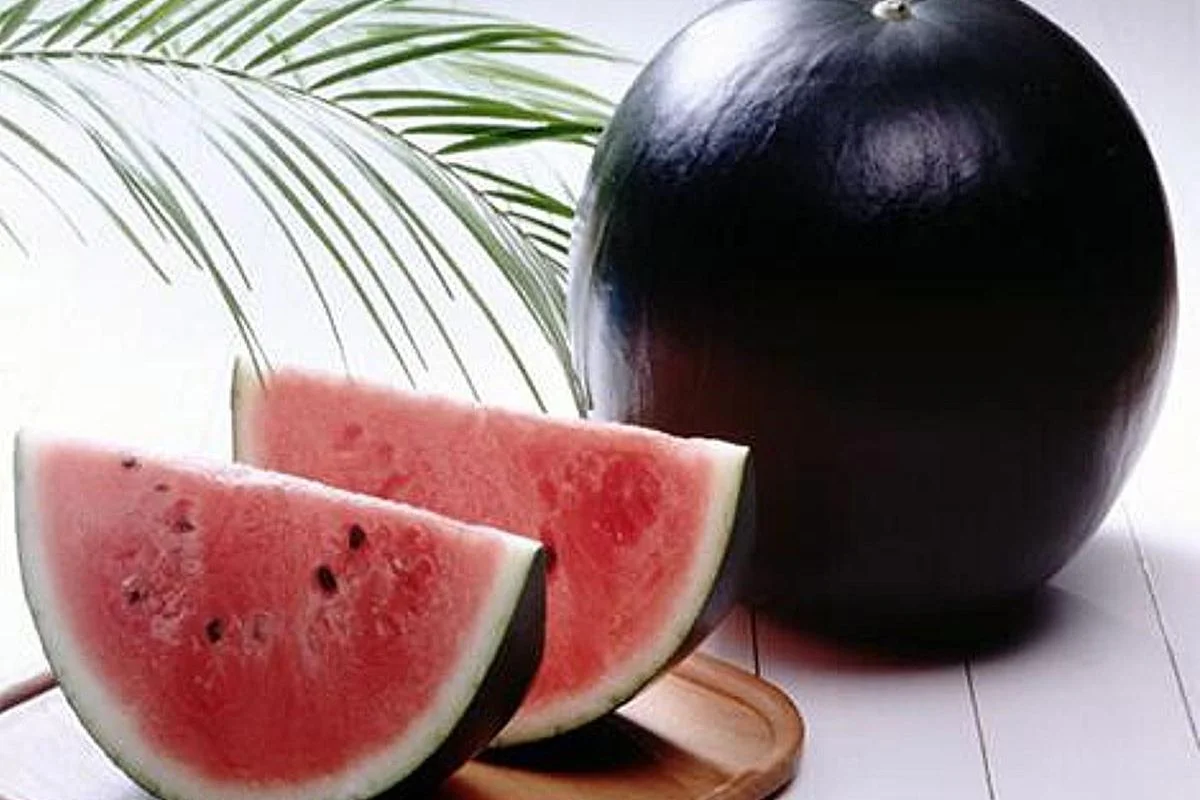
Expensive food is not always found in elegant restaurants; sometimes, it comes in the form of a rare and beautifully grown fruit. Densuke Watermelon, cultivated only on Japan’s northern island of Hokkaido, is famous for its dark black rind and exceptionally sweet red flesh.
Because only a small number are harvested each year, these premium melons are often exchanged as luxury gifts. Some perfect examples have sold for thousands at auctions, offering travelers a unique taste of Japan’s exclusive fruit culture.
12. Yubari King Melon – Japan’s Royal Fruit
Address: JA Yubari City, 2 Chome-4-1 Wakamachicho, Yubari, Hokkaido 068-0413, Japan
Phone: +81 123-52-3111
Website: Yubari King Melon
Average Price
$300–$45,000 per pair (auction record)
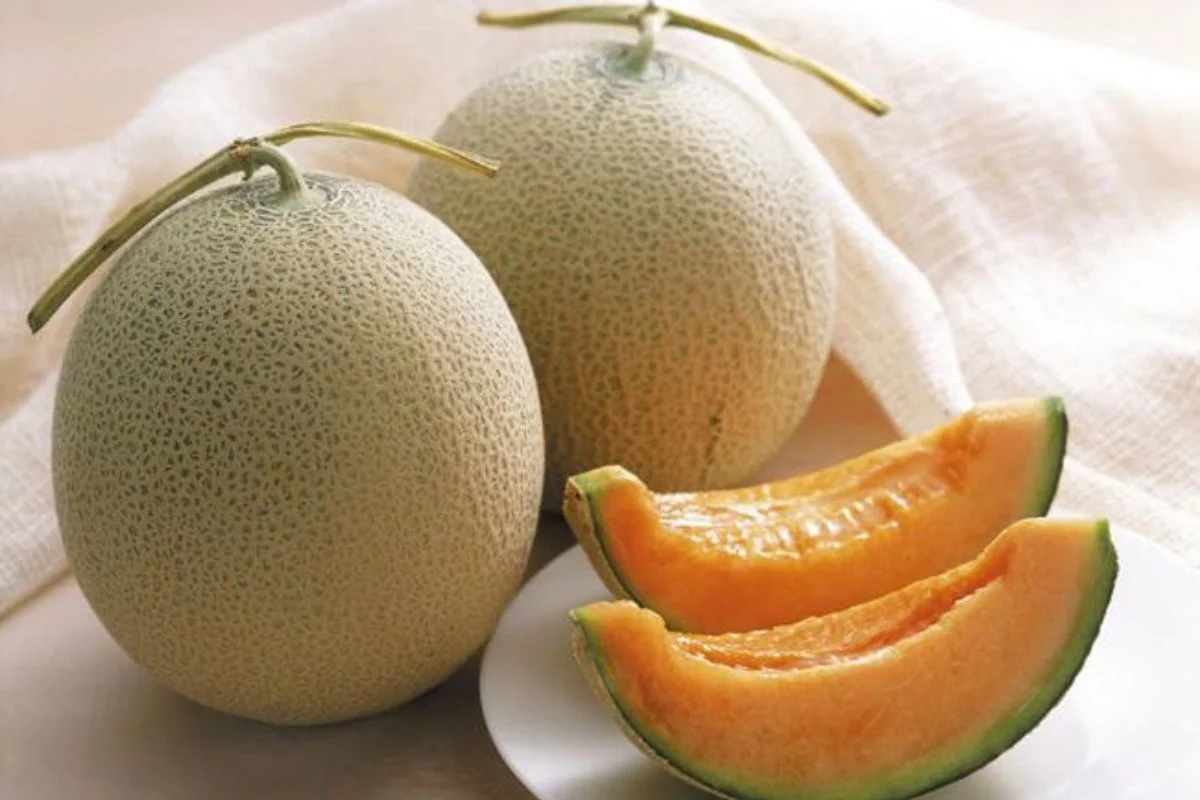
Few fruits in the world are as celebrated as Japan’s famous Yubari King Melon. Grown in carefully managed greenhouses, each melon is inspected for its size, shape, aroma, sweetness, and overall quality. Farmers even rotate the fruits by hand to achieve perfect growth.
Moreover, premium pairs are often presented as luxury gifts during special occasions. When a ripe Yubari melon is sliced, its refreshing aroma and rich sweetness create an unforgettable experience that many visitors consider the finest melon they have ever tasted.
13. Kopi Luwak – The World’s Most Exclusive Coffee
Address: PT Perkebunan Nusantara VIII (Malabar Estate Coffee Office), Pangalengan, Bandung Regency, West Java 40378, Indonesia
Phone: +62 22-2503347
Website: Kopi Luwak
Average Price
$300–$600 per kilogram
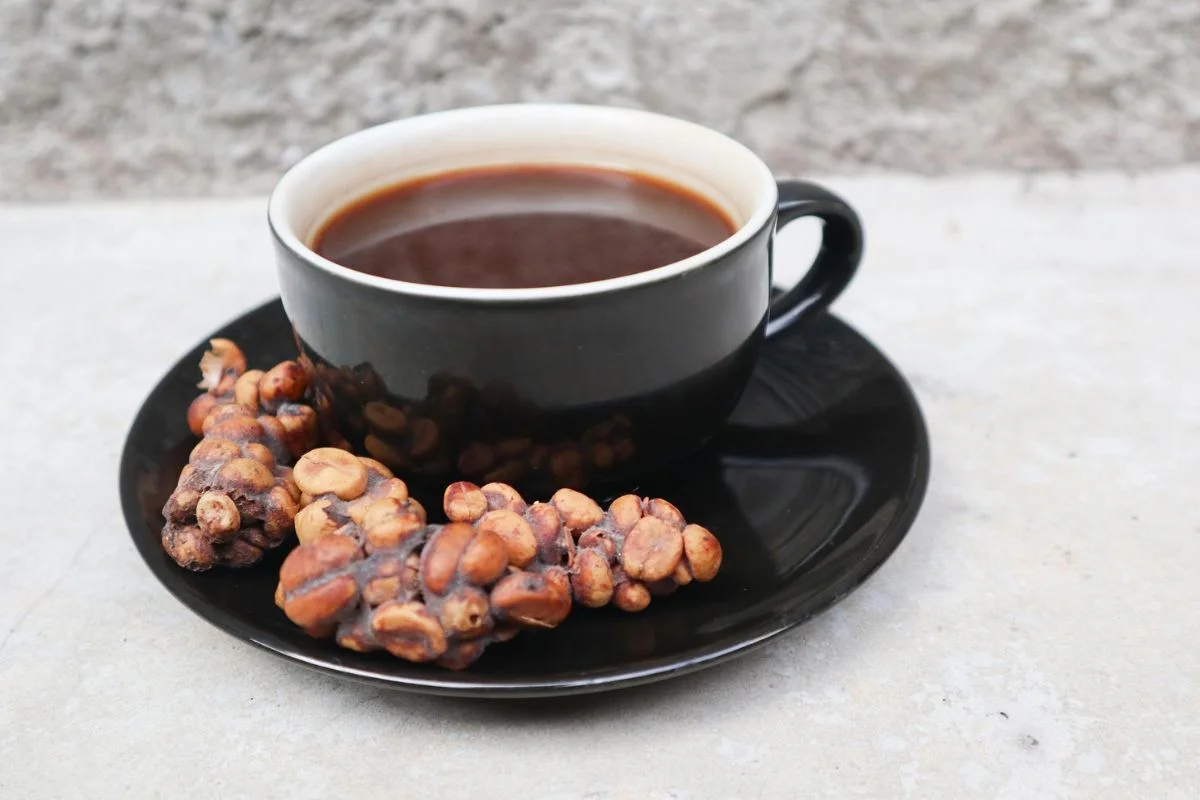
Coffee enthusiasts from around the world visit Indonesia to discover Kopi Luwak, one of the most unique coffee experiences available. This rare coffee is made from beans that pass through the digestive system of Asian palm civets before being carefully cleaned, roasted, and brewed.
The natural fermentation process creates a smoother taste with reduced acidity and subtle chocolate-like flavors. However, ethical sourcing is essential, and travelers should choose responsible producers that support animal welfare and sustainable practices. When prepared correctly, Kopi Luwak offers a fascinating story alongside every cup.
14. Fugu – Japan’s Legendary Pufferfish

Address: Karato Wholesale Fish Market Office, 5-50 Karatocho, Shimonoseki, Yamaguchi 750-0005, Japan
Phone: +81 83-231-0001
Website: Fugu
Average Price
$100–$300 per meal
Would you travel thousands of miles to experience a dish prepared only by specially trained chefs? For many adventurous food lovers, Fugu, Japan’s famous pufferfish delicacy, offers exactly that opportunity. Known for its delicate texture and subtle flavor, Fugu requires expert preparation because certain parts contain a dangerous toxin.
Only licensed chefs with years of training can serve it safely. Watching a chef create paper-thin slices is a true culinary performance, making the experience about tradition, skill, and Japanese craftsmanship.
Best Places to Try
- Tokyo
- Osaka
- Shimonoseki (Japan’s Fugu capital)
Traveler Tip
Always choose licensed restaurants with experienced chefs. This ensures both safety and an authentic dining experience.
15. Elvish Honey – The World’s Rarest Natural Honey

Address: Artvin Beekeepers Association (Artvin Arıcılar Birliği), Çarşı, İnönü Cd. No:44, 08000 Artvin Merkez, Turkey
Phone: +90 466 212 4022
Website: Elvish Honey
Average Price
$5,000–$6,800 per kilogram
Unlike traditional honey gathered from flower fields, Elvish Honey is collected from deep natural caves in northeastern Turkey, making it one of the world’s rarest sweet delicacies. Skilled beekeepers carefully extract it from caves located far below the surface, where the mineral-rich environment contributes to its distinctive flavor and qualities.
Furthermore, production remains extremely limited, with only a small amount reaching global markets each year. As a result, this unique honey has become a highly valued luxury food. Many people purchase Elvish Honey not only for its taste but also as a luxury gift or collector’s item.
16. Pule Cheese – The World’s Most Expensive Cheese

Address: Special Nature Reserve ”Zasavica”, Aleksandra Markovića, Zasavica 22000, Sremska Mitrovica, Serbia
Phone: +381 22 614 300
Website: Pule Cheese
Average Price
$1,000–$1,700 per kilogram
Hidden in the Serbian countryside, a small farm produces one of the rarest cheeses on Earth. Pule cheese is made from Balkan donkey milk. Producing just one kilogram requires approximately 25 liters of milk, making the process incredibly time-consuming. Furthermore, donkeys produce far less milk than cows or goats.
As a result, annual production remains very limited. The finished cheese offers a rich, slightly salty flavor with a creamy texture that surprises many first-time visitors. Food enthusiasts often travel specifically to Serbia just to experience this extraordinary dairy product.
17. Vanilla Beans – More Valuable Than Silver

Address: SAVA Premium Vanilla S.A.R.L., Boulevard de la Navigation, Sambava 208, Madagascar
Phone: +261 32 07 433 12
Website: Vanilla Beans
Average Price
$600–$700 per kilogram
Vanilla is one of the most familiar flavors in the world, yet few people realize how difficult it is to produce. Every vanilla flower must be pollinated by hand in many growing regions. After harvesting, the beans undergo a lengthy curing process that lasts several months before developing their famous aroma.
Because of labor-intensive farming and unpredictable weather, vanilla prices often fluctuate dramatically. Premium bakeries, luxury pastry chefs, and gourmet ice cream makers proudly use authentic Madagascar vanilla to create unforgettable desserts.
18. Black Ivory Coffee – Coffee Made Through Nature

Address: Black Ivory Coffee Co. Ltd., Golden Triangle Asian Elephant Foundation, 222 Moo 1, Chiang Saen, Chiang Rai 57150, Thailand
Phone: +66 84-438-5154
Website: Black Ivory Coffee
Average Price
$1,000–$1,500 per kilogram
Thailand offers travelers many culinary surprises, but Black Ivory Coffee is among its most unique. Instead of traditional processing methods, carefully selected coffee cherries are eaten by rescued elephants. During digestion, natural enzymes reduce bitterness before the beans are collected, cleaned, and roasted.
Consequently, the coffee develops an exceptionally smooth flavor with hints of chocolate, spice, and malt. Ethical producers focus on elephant conservation, making responsible sourcing an important part of the experience. For many travelers, enjoying a cup while visiting an elephant sanctuary becomes an unforgettable memory.
19. Oysters with Rare Pearls – Ocean Luxury

Address: Coffin Bay Oyster Farm Operations, 100 Esplanade, Coffin Bay, South Australia 5607, Australia
Phone: +61 428 261 806
Website: Oysters with Rare Pearls
Average Price
$100–$300 per dozen (premium varieties)
Fresh oysters have long represented luxury dining. Their crisp ocean flavor pairs beautifully with champagne, making them a favorite at elegant celebrations. Although pearls are rarely found naturally inside edible oysters, the possibility has inspired countless stories among seafood lovers.
Moreover, premium oyster farms carefully cultivate ideal growing conditions, resulting in exceptional freshness and flavor. Watching waves crash against the coastline while enjoying freshly harvested oysters creates a travel experience that combines nature and fine dining perfectly.
20. Gold-Leaf Ice Cream Sundae – A Sweet Luxury Finale

Address: Scoopi Cafe, Level 3, Time Out Market, Souk Al Bahar, Downtown Dubai, United Arab Emirates
Phone: +971 50 113 8497
Website: Gold-Leaf Ice Cream Sundae
Average Price
$1,000–$25,000 depending on presentation
What better way to finish a luxury food journey than with one of the world’s most extravagant desserts? Luxury sundaes combine premium vanilla, rare chocolates, imported fruits, handcrafted candies, edible gold leaf, and even precious serving bowls.
Some famous restaurants require reservations days in advance because preparing these desserts takes several hours. While few people buy them regularly, many travelers consider these desserts a once-in-a-lifetime celebration. After all, unforgettable travel memories sometimes come with a golden spoon.
Best Countries to Experience Luxury Food
Every destination offers its own interpretation of luxury dining. However, several countries consistently attract travelers searching for the world’s finest culinary experiences.
Japan
Japan remains one of the best destinations for gourmet travelers. From Kobe beef and Bluefin tuna to Matsutake mushrooms and Fugu, every meal showcases remarkable precision and respect for ingredients.
Italy
Italy is the home of legendary white truffles, handmade pasta, artisan cheeses, and Michelin-starred restaurants. Visiting during truffle season creates an unforgettable culinary adventure.
France
France combines elegant fine dining with exceptional caviar, foie gras, premium wines, pastries, and world-famous restaurants.
Spain
Spain’s Jamón Ibérico, fresh seafood, olive oils, and vibrant food culture attract millions of visitors each year.
Dubai (UAE)
Dubai has become a global destination for luxury dining. Gold-covered desserts, exclusive restaurants, celebrity chefs, and extravagant presentations make every meal feel like a special event.
Traveler Tips for Experiencing Luxury Food
Trying the world’s most expensive food can become one of the highlights of any international trip. However, a little planning makes the experience even better.
- Book Michelin-starred restaurants several months in advance.
- Travel during seasonal harvests for white truffles and Matsutake mushrooms.
- Visit local food markets to learn the stories behind premium ingredients.
- Share tasting menus with friends or family to sample more dishes while reducing costs.
- Research ethical sourcing, especially for seafood, coffee, and rare ingredients.
- Keep an open mind. Sometimes the story behind the ingredient becomes even more memorable than the flavor itself.
Quick Comparison Table
| Food | Average Price | Best Destination |
| Almas Caviar | $25,000–$35,000/kg | Iran, UAE, London |
| White Truffles | $3,000–$8,000/kg | Italy |
| Kobe Beef | $300–$600/steak | Japan |
| Bluefin Tuna | $200–$500/lb | Japan |
| Matsutake Mushrooms | $1,000–$2,500/kg | Japan |
| Bird’s Nest Soup | $2,000–$4,000/kg | China, Malaysia |
| Saffron | $5,000–$10,000/kg | Iran, Spain |
| Pule Cheese | $1,000–$1,700/kg | Serbia |
| Densuke Watermelon | Up to $6,000 each | Japan |
| Yubari King Melon | Up to $45,000/pair | Japan |
Final Thoughts
Unlike the honey most people enjoy from local markets and flower farms, Elvish Honey comes from a truly extraordinary source—deep natural caves in northeastern Turkey. This rare delicacy is collected from hidden cave environments located hundreds of feet beneath the ground, where experienced beekeepers carefully extract the honey using specialized techniques.
The unique mineral-rich surroundings are believed to influence its distinctive taste, texture, and natural qualities, making it different from ordinary honey varieties. Moreover, Elvish Honey is extremely difficult to produce because harvesting requires skill, patience, and challenging conditions. Only a limited amount is collected each year, which increases its rarity and value among luxury food enthusiasts.
As a result, it has become one of the world’s most expensive and exclusive sweet treats. Many travelers and gourmet collectors seek this remarkable honey not only for its flavor but also for the fascinating story behind its origin and traditional harvesting process.
Frequently Asked Questions
Q01. Is expensive food healthier than regular food?
Ans: Not always. Expensive foods may use premium ingredients, but their higher prices usually reflect rarity, craftsmanship, freshness, and exclusivity rather than better nutrition.
Q02. What is the most expensive spice?
Ans: Saffron is the world’s most expensive spice because each flower produces only a few threads. Since harvesting is done by hand, producing high-quality saffron requires significant time and effort.
Q03. What is the most expensive meat?
Ans: Japanese Kobe beef is among the most expensive meats due to its exceptional marbling, tenderness, and strict production standards.
Q04. Where can travelers enjoy luxury foods?
Ans: Luxury foods can be found in Michelin-starred restaurants and premium hotels across Japan, Italy, France, Spain, Dubai, London, Singapore, and New York.
Q05. Can tourists buy luxury foods as souvenirs?
Ans: Yes. Items like saffron, specialty coffee, chocolates, vanilla beans, and premium teas can be great souvenirs, but travelers should check import rules.
Q06. Are expensive foods worth trying?
Ans: For many food lovers, luxury cuisine offers unforgettable experiences through culture, tradition, and exceptional craftsmanship.
Q07. Which luxury foods are best for beginners?
Ans: Kobe beef, white truffles, Bluefin tuna sushi, Jamón Ibérico, and saffron dishes are excellent choices for travelers starting their luxury food journey.


10 Comments