
 -by
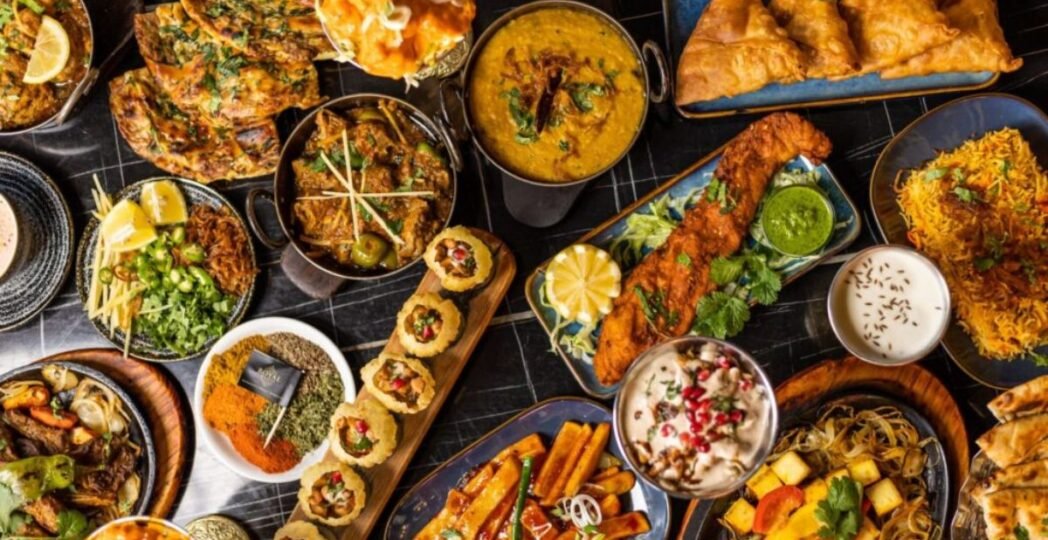
-by If you’re visiting Pakistan and want to try Pakistani food, you’re in the right place. While exploring the country, I tried many different dishes. Pakistani cuisine is very diverse, with curries, lentils, rice dishes, breads, and more. Our main advice is to be adventurous and try as many foods as you can—you might find a new favorite!
If you can’t travel right now, don’t worry. You can also try cooking Pakistani food at home. We’ve included some links to recipes in this post so you can enjoy these delicious dishes yourself.
Main Courses and Curries in Pakistani food
# Biryani

Biryani is one of the most famous and loved foods in Pakistan. It’s a flavorful rice dish made by layering rice with spiced meat, usually chicken, beef, or mutton. When you look at your plate, you’ll notice that the rice has different colors — white, yellow, and orange. That’s because the rice, meat, and garnish are cooked in layers and then steamed together, with some rice colored using food dye for that beautiful look.
Pakistani Biryani is a little different from Indian Biryani. In Pakistan, it often has stronger spices and sometimes even raisins for a sweet touch. Indian Biryani, on the other hand, usually includes more vegetables. Both are delicious, but each has its own unique flavor and style.
# Chicken Karahi

Chicken Karahi is a popular dish in Pakistan. If you ask someone about their favorite food, they’ll probably say Chicken Karahi. You can find it on almost every restaurant menu across the country.It’s so famous that many people think of it as Pakistan’s national dish, even though it’s not officially the national food. But with its rich, spicy flavor and delicious taste, it definitely feels like one!
Chicken Karahi gets its name from the karahi — a deep, round cooking pan that looks like a wok but has a flatter bottom. Traditionally, this dish was prepared in that pan, and even today, many cooks still use it for the best flavor.
The curry itself is rich and full of taste. It’s made with tomatoes, ginger, garlic, and plenty of aromatic spices. As a result, the sauce becomes thick, flavorful, and slightly spicy. When the chicken is cooked until tender, it blends perfectly with the sauce, creating a dish that’s both comforting and delicious.
# Korma

Korma is a rich and flavorful curry that comes from the royal Mughlai cuisine of South Asia. It’s one of the most loved dishes in Pakistan, known for its creamy and mildly spiced taste. The dish is made by slow-cooking meat — usually chicken, mutton, or beef — in a thick sauce made from yogurt, cream, nuts, and aromatic spices like cardamom, cinnamon, and cloves.
Unlike spicy curries, Korma has a smooth, silky texture and a gentle flavor that’s both comforting and luxurious. Traditionally, it was served to Mughal kings and nobles, which is why it’s often seen as a royal dish. Today, it’s enjoyed at weddings, family gatherings, and special celebrations all over Pakistan.
Korma pairs perfectly with naan or rice, and every bite offers a balance of rich aroma, tender meat, and creamy goodness that truly represents Pakistani food.
# Nihari

Nihari is a slow-cooked, flavorful stew that holds a special place in Pakistani cuisine. Traditionally made with beef or lamb shank, it’s cooked for several hours until the meat becomes tender and the gravy turns rich and aromatic. The name “Nihari” comes from the Arabic word nahar, meaning “morning,” because it was originally eaten as a hearty breakfast after morning prayers.
This classic Pakistani food is prepared with a mix of aromatic spices like ginger, garlic, chili, and garam masala. The meat is simmered for several hours, allowing the flavors to blend perfectly into a thick, spicy gravy.
Today, Nihari is not just a breakfast dish — it’s also enjoyed as a main course across Pakistan, especially on weekends and special occasions. It’s best served with naan or paratha, garnished with lemon, green chili, and fresh ginger.
# Haleem

Haleem is a popular and traditional dish in Pakistani food culture, known for its rich, hearty flavor and smooth texture. It’s a slow-cooked stew made from wheat, lentils, and meat — usually beef, mutton, or chicken — all blended together to create a thick and creamy consistency.
The cooking process can take several hours, as the ingredients are simmered with spices like cumin, coriander, cinnamon, and garam masala. This slow method allows the flavors to mix deeply, giving Haleem its signature taste and aroma.
Originally introduced from the Middle East, Haleem has become a beloved comfort food across Pakistan, especially during Ramadan and special gatherings. It’s often topped with fried onions, lemon, green chilies, and fresh coriander for extra flavor.
# Aloo Gosht

Aloo Gosht is one of the most comforting and beloved dishes in Pakistani food culture. It’s a traditional meat and potato stew made with mutton, beef, or chicken, cooked slowly in a flavorful spiced gravy. The name literally means “potato and meat,” and together they create a hearty and satisfying meal.
The curry is made with onions, tomatoes, ginger, garlic, and a mix of traditional spices such as cumin, turmeric, and garam masala. As it simmers, the meat becomes tender, and the potatoes absorb all the rich flavors of the gravy.
Aloo Gosht is often enjoyed with naan or steamed rice, making it a favorite for family dinners and weekend meals. It’s a simple yet deeply flavorful dish that perfectly represents the warmth and homestyle taste of Pakistani food — comforting, wholesome, and full of tradition.
# Pulao

Pulao is a delicious and well-known dish in Pakistani food culture that has deep roots in Central Asia. It’s also known as pilau, pilaf, or plov in different regions. The dish spread to Pakistan centuries ago, around the time of the Abbasid Caliphate, and became a staple in local cuisine.
In Pakistan, Pulao is a flavorful one-pot meal made with basmati rice, meat, stock, and a mix of aromatic spices. The rice is cooked together with the meat so it soaks up all the rich flavors, creating a light yet fragrant dish.
For those who don’t eat meat, there are also vegetarian versions, though it’s best to check that the rice isn’t cooked with chicken, beef, or mutton stock. Simple, hearty, and comforting, Pulao is a perfect example of how Pakistani dishes blend tradition and taste beautifully.
# Daal Chawa

Daal Chawal is one of the simplest yet most beloved dishes in Pakistani food. The name literally means “lentils and rice,” and it’s a staple meal in many Pakistani households.Even though it’s simple, it is healthy, tasty, and very comforting.
The dish is made by cooking lentils with spices such as cumin, turmeric, and garlic to create a warm, flavorful stew. This is then served over plain steamed rice, which balances the rich taste of the lentils perfectly. Sometimes, a dollop of ghee or fried onions is added on top for extra aroma and taste.
Daal Chawal is a common everyday meal, enjoyed at breakfast, lunch, or dinner. Its simplicity, health benefits, and comforting taste make it a classic example of traditional Pakistani dish that is loved by people of all
Kebabs and Street Food in Pakistan
# Seekh Kebab

Seekh Kebab is made from spiced minced meat shaped onto long skewers and grilled over charcoal. The slow grilling gives it a smoky and rich flavor. These kebabs are soft inside and slightly crisp outside, making them very enjoyable.
Seekh Kebabs are usually served with naan, paratha, or salad and eaten with chutney or yogurt sauce. They are popular at BBQs, parties, and street food stalls. Their smoky aroma and tender texture make Seekh Kebab a simple and tasty dish, representing a favorite item in Pakistani food.
# Shami Kebab

Shami Kebab is a soft and flavorful dish made from minced meat and lentils, shaped into small round patties, and lightly fried with an egg coating. The kebabs are tender inside and slightly crisp outside, making them very enjoyable.
Shami Kebabs are often served with naan, paratha, or chutney. They are a popular snack or part of a main meal and are often prepared for family gatherings or special occasions. Its mild yet rich flavor makes Shami Kebab a classic dish in Pakistani food, loved by children and adults alike.
# Chicken Tikka

Chicken Tikka is made by marinating chicken pieces in yogurt, spices, and herbs, then grilling them until tender and juicy. The grilling adds a smoky flavor that makes the chicken very delicious.
It is usually served as a starter, snack, or part of a main meal, with naan, salad, or chutney. Chicken Tikka is also a favorite at BBQs and street food stalls. Mildly spiced but full of flavor, it is one of the most popular dishes in Pakistani food, enjoyed by people of all ages.
# Bun Kebab

Bun Kebab is a popular street food made with a Shami Kebab patty inside a soft bun, topped with chutney, onions, and sometimes a fried egg. The combination of flavors makes it very tasty and satisfying.
People often eat Bun Kebab as a quick breakfast or snack, especially in cities like Lahore and Karachi. It is affordable and filling. Bun Kebab is a simple and flavorful dish that shows how traditional tastes can be enjoyed easily. It is a well-loved part of Pakistani food.
# Gol Gappay / Pani Puri

Gol Gappay, also called Pani Puri, is a crunchy snack made from hollow fried balls filled with spiced potatoes, chickpeas, and flavored water. Each bite is tangy, spicy, and very refreshing.
People often eat Gol Gappay in groups because it is fun to eat together. The flavored water can be sweet, sour, or spicy. This snack is sold at street stalls and markets across Pakistan. Its exciting taste and unique style make it a favorite in Pakistani food, loved by children and adults alike.
# Samosa

Samosa is a deep-fried pastry filled with spiced potatoes, peas, or minced meat. The outside is crispy, while the inside is soft and flavorful, making it a favorite snack for all ages.
Samosas are usually eaten with tea or served at parties and festivals. They are especially popular during Ramadan. Samosas can be mild or spicy depending on the filling. Their crunch and taste make them a simple and delicious part of Pakistani food, enjoyed in homes, restaurants, and street food stalls.
# Pakora
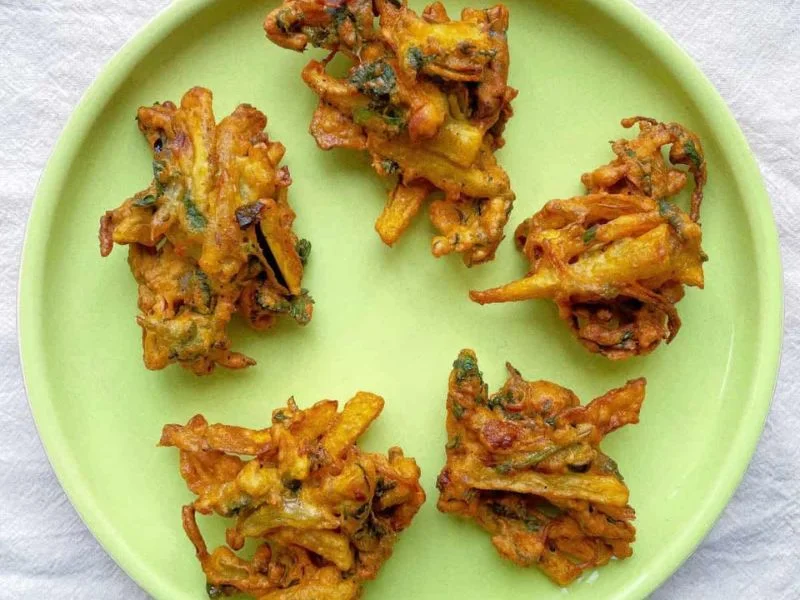
Pakora is made by coating vegetables like potatoes, onions, or spinach in a spiced gram flour batter and deep-frying them until golden brown. The result is crispy, flavorful fritters that are perfect as a snack.
Pakoras are often served with chutney, ketchup, or yogurt sauce. They are very popular during rainy days and Ramadan. This snack is easy to make at home but also widely sold at street food stalls. Its crispy texture and rich taste make Pakora a classic item in Pakistani food.
# Balochi Sajji
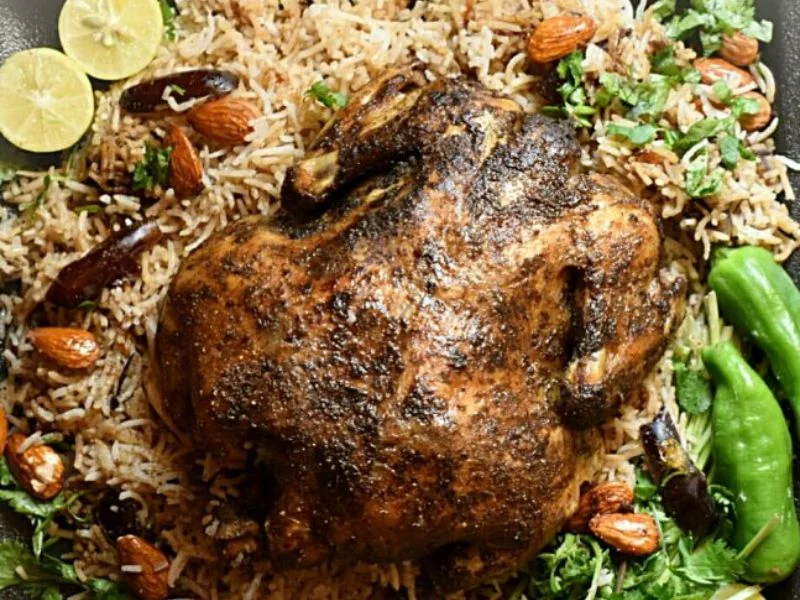
Balochi Sajji is a traditional dish from Balochistan. It is made by marinating a whole lamb or chicken in salt and slowly cooking it over hot coals. The slow cooking makes the meat tender, juicy, and full of smoky flavor.
Sajji is usually served with naan or rice and is often prepared for celebrations or family gatherings. Its simple preparation highlights the natural taste of the meat. Balochi Sajji is a must-try dish in Pakistani food, representing traditional cooking methods and rich flavors loved across the country
Breads and Desserts in Pakistani food
# Naan
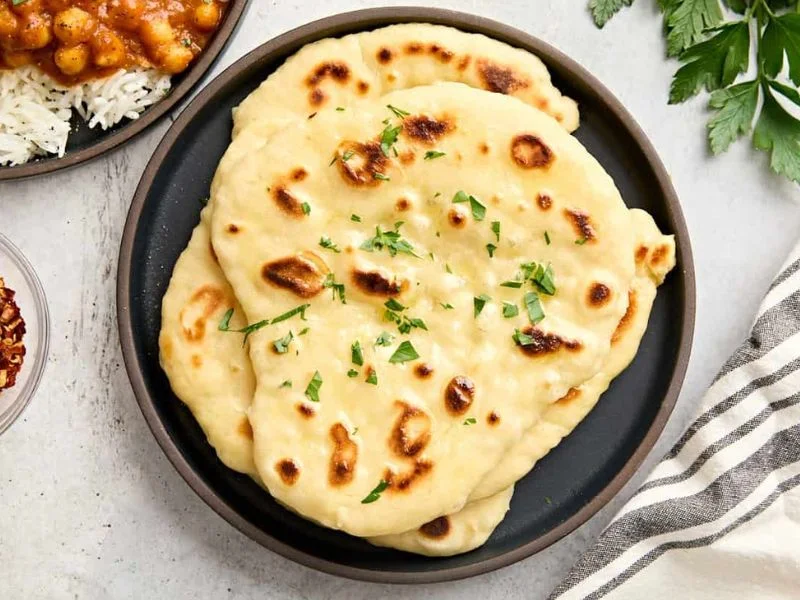
Naan is a staple flatbread in Pakistani cuisine. It is a leavened bread, usually soft and fluffy, and traditionally baked in a tandoor (clay oven). Naan is often served alongside curries, kebabs, or lentil dishes, making it a versatile part of any meal.
There are several popular variations of naan. Roghni Naan is topped with sesame seeds, giving it extra flavor and a slightly crunchy texture. Keema Naan is stuffed with spiced minced meat, making it a filling choice. Aloo Naan is filled with spiced mashed potatoes, perfect for a snack or meal. Naan is enjoyed in homes, restaurants, and street food stalls across Pakistan. Its soft texture and ability to pair with many dishes make it a classic item in Pakistani food.
# Paratha

Paratha is a flaky, layered flatbread that is very popular in Pakistani dishes. It is made by rolling dough into layers and pan-frying it until golden brown. Parathas are soft inside but crispy on the outside, giving them a unique texture.
Parathas are often eaten for breakfast with eggs, yogurt, or pickles, but they are also served alongside curries and kebabs for lunch or dinner. They can be plain or stuffed with ingredients like potatoes, minced meat, or spinach. The rich, buttery taste makes paratha a favorite at home and in restaurants. Its versatility and flaky layers make it an important and loved part of Pakistani food culture.
# Halwa Poori

Halwa Poori is a traditional, indulgent breakfast in Pakistani cuisine. It is usually served on weekends or special occasions. The dish consists of deep-fried fluffy bread called poori, served with sweet semolina pudding called halwa and spicy chickpea curry known as channa masala.
The combination of crispy poori, soft and sweet halwa, and savory chickpeas makes Halwa Poori a complete and satisfying meal. It is often enjoyed with tea and is a favorite among families and friends gathering on special mornings. Its mix of textures and flavors makes Halwa Poori a classic and much-loved dish in Pakistani food.
# Gulab Jamun

Gulab Jamun is a popular dessert in Pakistani food. It is made from milk solids, shaped into soft balls, and deep-fried until golden brown. After frying, the balls are soaked in sugar syrup flavored with rose water or saffron.
Gulab Jamun is sweet, soft, and juicy, making it a favorite at festivals, weddings, and special celebrations. It can be served warm or at room temperature and is often enjoyed with family and friends. Its rich taste and delicate syrup make Gulab Jamun one of the most loved desserts in Pakistani food, appreciated by children and adults alike.
# Kheer

Kheer is a traditional rice pudding and an important dessert in Pakistani dishes. It is made by slowly cooking rice in milk and sugar until it becomes creamy. The pudding is usually flavored with cardamom, saffron, and topped with nuts like almonds or pistachios.
Kheer is often served during special occasions, festivals, and family gatherings. Its creamy texture and sweet, aromatic flavor make it comforting and satisfying. This rich dessert is enjoyed by people of all ages. Kheer’s combination of milk, rice, and spices makes it a classic and timeless part of Pakistani food culture.
# Jalebi

Jalebi is a bright orange, crispy, and sweet dessert in Pakistani dishes. It is made by deep-frying a fermented batter into circular swirls and then soaking them in sugar syrup.
Jalebi is crunchy on the outside and syrupy on the inside, creating a perfect mix of texture and sweetness. It is often enjoyed as a snack, dessert, or during festivals and special celebrations. People love eating it warm for extra softness and flavor. Jalebi’s vibrant color and sweet taste make it a popular and recognizable dessert in Pakistani food, enjoyed by children and adults alike.
# Kulfi

Kulfi is a traditional frozen dessert in Pakistani food, often described as a rich, creamy ice cream. It is made by slowly boiling milk with sugar, cardamom, and sometimes saffron until it thickens, then freezing it in small molds.
Kulfi comes in many flavors, including pistachio, mango, rose, and malai (cream). Unlike regular ice cream, it is denser and creamier because it is not whipped, giving it a smooth texture that melts slowly in the mouth.
Kulfi is a popular treat during hot summer days, at festivals, weddings, and street food stalls across Pakistan. Its sweet, creamy flavor and unique texture make it a favorite dessert for children and adults alike.
Drinks and Beverages in Pakistani Food
# Lassi

Lassi is a popular drink in Pakistani food made from yogurt, water, and sugar or salt. Sweet lassi is creamy and often flavored with rosewater or cardamom, while salty lassi is tangy and refreshing, perfect with spicy meals.
It’s enjoyed across Pakistan, especially in summer or during meals and festivals. Some people add ice, nuts, or saffron for extra flavor. Simple, healthy, and tasty, lassi is a perfect example of a classic Pakistani beverage.
# Rooh Afza

Rooh Afza is a sweet, rose-flavored drink that is very popular in Pakistani food. It is usually mixed with water or milk and served chilled.
People often drink it during Ramadan to break their fast, but it’s enjoyed all year round. Its refreshing taste and sweet aroma make it a favorite beverage for families and at festivals.
# Chai (Tea)

Chai, or tea, is a staple in Pakistani food culture. It’s made with strong tea leaves, milk, sugar, and sometimes spices like cardamom. Chai is enjoyed at home, in restaurants, or at roadside stalls. It’s served throughout the day and pairs perfectly with snacks, breakfast, or desserts.
Regional Specialties of Pakistani Food
Pakistani cuisine is incredibly diverse, and different regions have their own signature dishes. In Punjab, for instance, you’ll find rich, buttery dishes like Chicken Karahi and Nihari, often paired with fresh naan or paratha. Meanwhile, Sindh is famous for its spicy curries and seafood specialties like Sindhi Biryani.
In Balochistan, traditional dishes such as Balochi Sajji showcase simple cooking methods with bold flavors. The meat is often marinated only in salt and slow-cooked over coals, highlighting the natural taste.
Khyber Pakhtunkhwa is known for hearty, flavorful dishes like Chapli Kebab, which uses a unique blend of spices to create a crispy, tasty snack. Exploring these regional specialties gives a deeper understanding of Pakistani food and its cultural richness, as each province brings its own culinary traditions to the table.
Final Thoughts
Pakistani food is a vibrant and diverse cuisine full of flavor, tradition, and culture. From spicy curries and hearty rice dishes to street food, breads, and rich desserts, every dish tells a story. Whether you are tasting Biryani in a restaurant, enjoying Haleem at a festival, or sipping a glass of lassi at home, the flavors of Pakistan are unforgettable.
The best way to experience Pakistani food is to be adventurous. Try dishes from different regions, sample street foods, and don’t be afraid to explore desserts and drinks. Even if you can’t travel right now, cooking these dishes at home can bring the taste of Pakistan to your kitchen. In the end, Pakistani cuisine is about sharing, enjoying, and celebrating flavors with family and friends—a true reflection of the country’s warmth and culture.
FAQs About Pakistani Food
Q: What is the most popular Pakistani food?
Ans: The most popular Pakistani food includes Biryani, Chicken Karahi, Nihari, and various kebabs like Seekh Kebab and Shami Kebab. These dishes are loved across the country for their rich flavors and aromatic spices.
Q: What are traditional Pakistani breakfast foods?
Ans: Traditional Pakistani breakfast foods include Halwa Poori, Paratha, Bun Kebab, and Daal Chawal. These meals are hearty, flavorful, and often enjoyed with tea or lassi.
Q: What are some famous Pakistani desserts?
Ans: Popular Pakistani desserts include Gulab Jamun, Kheer, Jalebi, Kulfi, and Rabri. They are often served during festivals, weddings, or family gatherings.
Q: What street foods are famous in Pakistan?
Ans: Street foods in Pakistan include Gol Gappay (Pani Puri), Samosa, Pakora, Bun Kebab, and various types of kebabs. These snacks are spicy, flavorful, and a must-try for visitors.
Q: What is the difference between Pakistani and Indian Biryani?
Ans: Pakistani Biryani usually has stronger spices and may include raisins for a sweet touch, while Indian Biryani often has more vegetables. So Both are delicious, but each has a unique flavor and preparation style.
Q: Can I cook Pakistani food at home?
Ans: Yes! Many Pakistani dishes like Daal Chawal, Biryani, Chicken Karahi, and Haleem can be made at home using simple ingredients and spices. Recipes are widely available online for beginners and experienced cooks alike.
Q: What drinks are popular in Pakistan?
Ans: Popular drinks in Pakistan include Lassi, Rooh Afza, and Chai (tea). These beverages perfectly complement spicy and rich dishes in Pakistani food.
Related Keyword –
food from pakistan, food of pakistan, pakistan food, pakistani cuisine, pakistani food, pakistani cuisines, pakistan meals, pakistani meal, pakistani dishes, pakistani meals, pakistani food dishes, pakistani traditional foods, pakistan traditional foods, pakistani traditional dishes, food recipes pakistani, recipes pakistani food, Traditional Pakistani Food, Pakistan Street Food, Pakistani Recipes, Recipes


1 Comment